
Module 09
Weeks 9 to birth: the fetal period
From week 9 after fertilisation the baby is called a fetus, and the work shifts from building organs to growing and maturing them. This module follows that growth to birth, and explains the tests and timings you meet along the way.
- 4lessons
- 16 minreading
- 6quiz questions
The lessons and the quiz in this module are part of the Fertility with Kara Package. Module 1 is free to read.
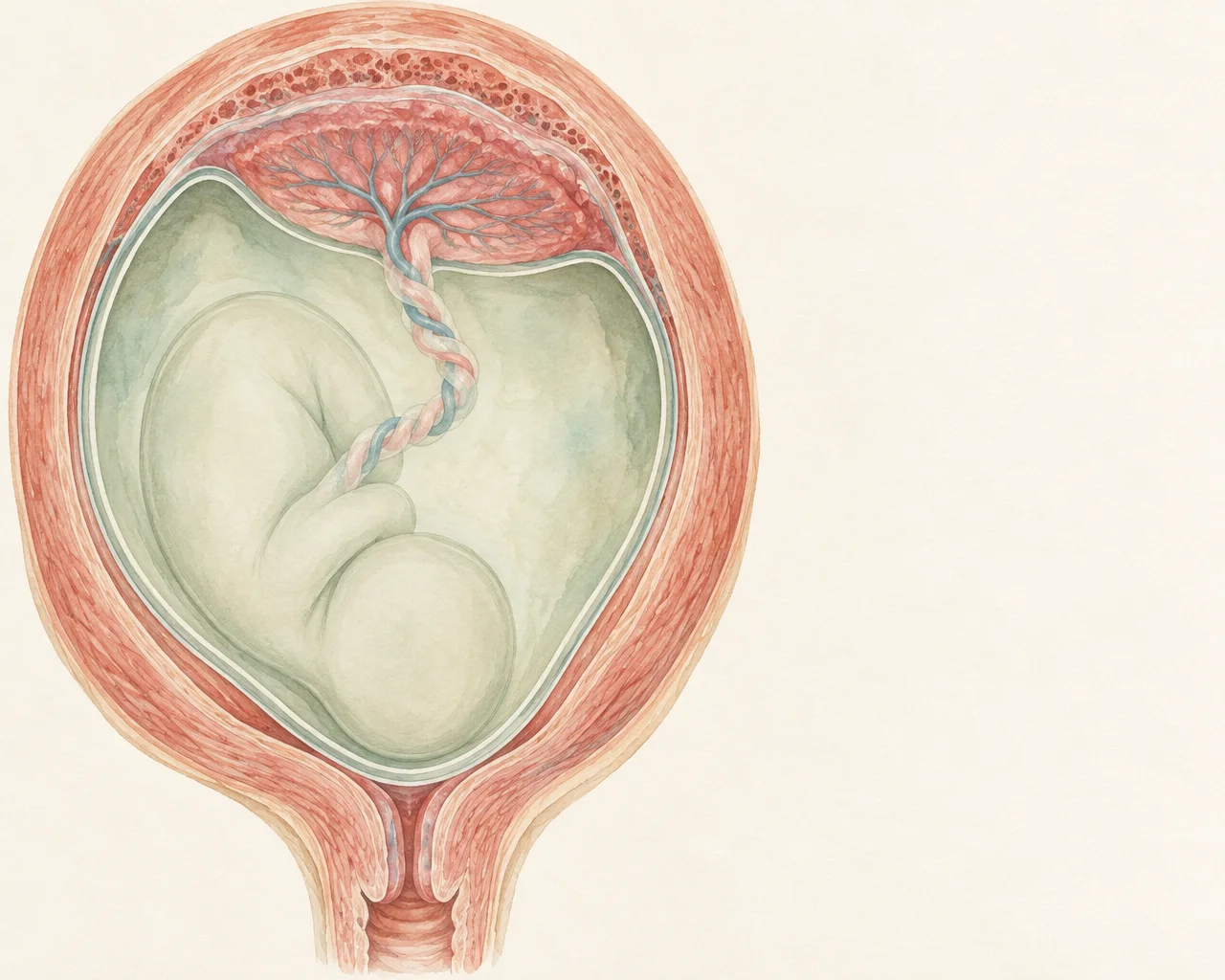
Your way through Module 09
- Lesson 9.1 · 4 min Start hereRead From embryo to fetus What changes at week 9, how the two pregnancy clocks line up, and how much a fetus grows in each trimester.
- Lesson 9.2 · 4 min Start hereRead What develops when A trimester-by-trimester guide to movement, the senses and the maturing organs, and what the evidence says about when each begins.
- Lesson 9.3 · 4 min Start hereRead Screening tests and diagnostic tests The difference between a test that estimates a chance and a test that gives an answer, and why the placenta matters to both.
- Lesson 9.4 · 4 min Start hereRead Due dates, term and preterm birth Why a due date is an estimate, what "term" means, how common early birth is, and how doctors think about viability.

Learning aims
By the end of this module you will be able to:
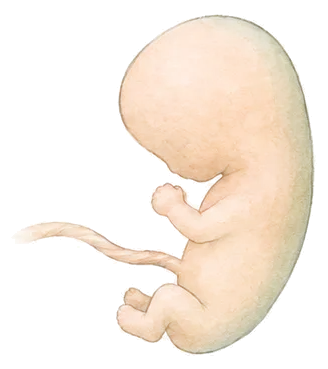
- Describe what changes when the embryo becomes a fetus, and convert between weeks after fertilisation and weeks of pregnancy.
- Explain how fetal weight grows across the three trimesters, using the WHO fetal growth charts.
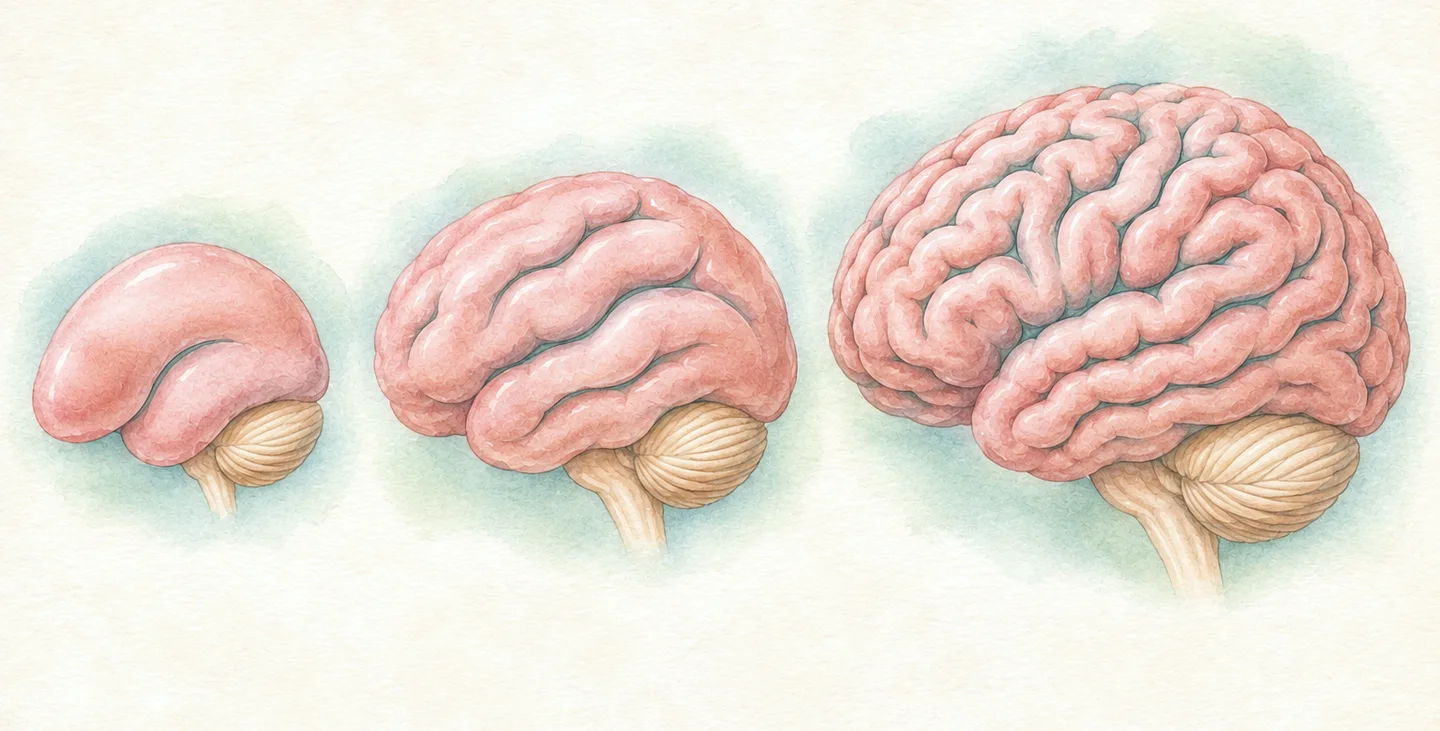
- Recognise when movement, hearing and the ability to survive with neonatal care develop, and why each is a range.
- Compare screening tests with diagnostic tests, and explain why cell-free DNA results are confirmed.
- Explain what a due date, term and preterm birth mean, and why viability depends on more than weeks.
The module in brief
The module in brief
- From week 9 after fertilisation (about 11 weeks of pregnancy) the developing baby is called a fetus, and its organs mainly grow and mature.
- Scan reports and due dates count weeks of pregnancy from the last period, about two weeks more than weeks after fertilisation.
- On the WHO charts, the middle estimated weight is about 330 g at 20 weeks of pregnancy and about 3.6 kg at 40 weeks, with most weight gained in the third trimester.
- Movements start long before they can be felt; they are usually first felt between 16 and 24 weeks of pregnancy and should continue up to labour.
- Screening tests estimate a chance; diagnostic tests such as CVS and amniocentesis give an answer, and every test is your choice.
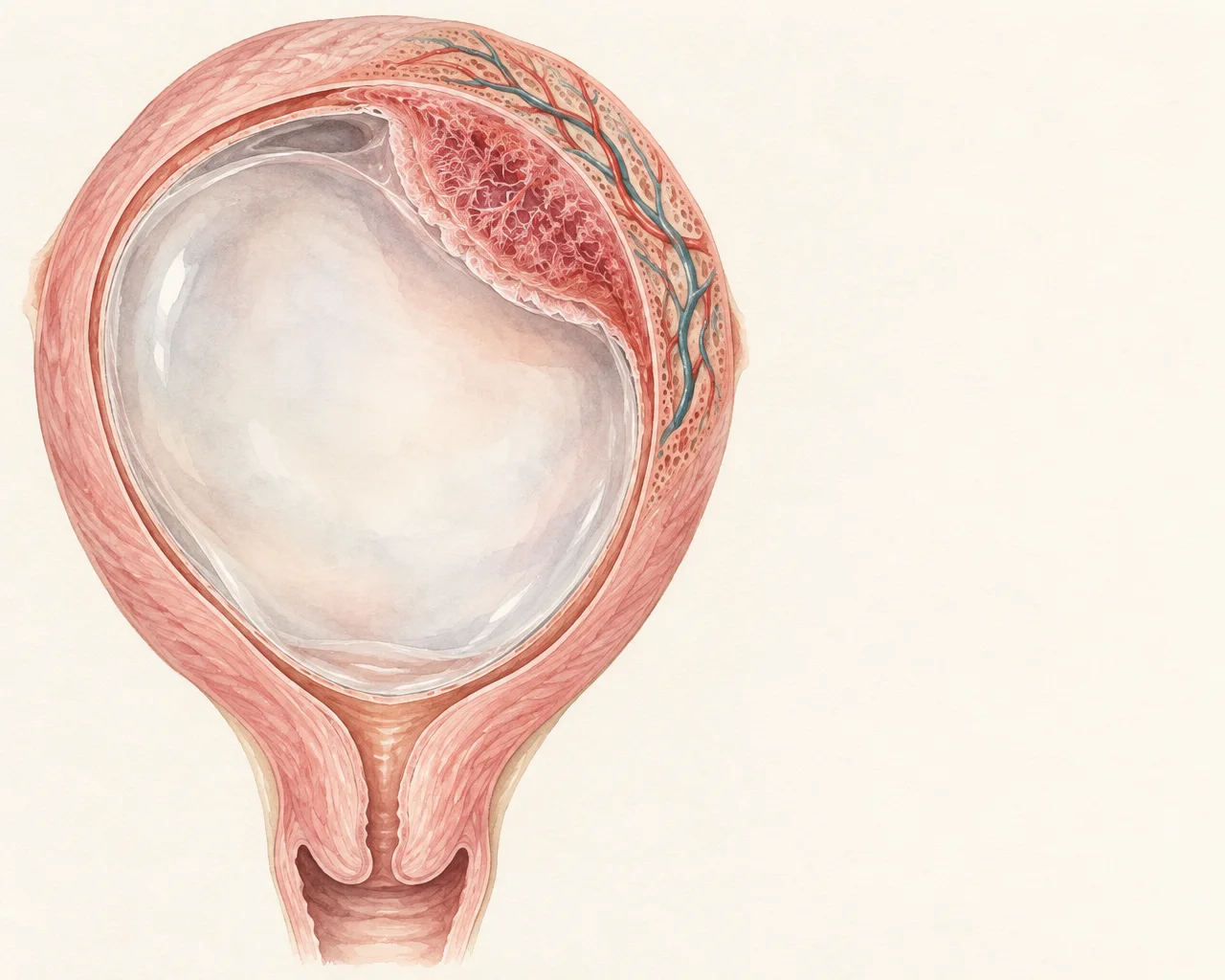
- Cell-free DNA comes mainly from the placenta, which is one reason a higher-chance result is confirmed with a diagnostic test.
- Healthy pregnancies vary in length by several weeks; birth before 37 weeks of pregnancy is preterm, and about 1 in 10 babies worldwide is born preterm.
- There is no single week of viability: survival with care becomes possible from about 22 weeks and improves week by week, and what is offered differs between hospitals, including in South Africa.