
Module 17
The face, gut and digestive organs
How a few simple swellings build the face, mouth and neck, and how one tube becomes the oesophagus, stomach, bowel, liver and pancreas, including the weeks when part of the bowel grows inside the umbilical cord.
- 6lessons
- 24 minreading
- 6quiz questions
The lessons and the quiz in this module are part of the Fertility with Kara Package. Module 1 is free to read.
Your way through Module 17
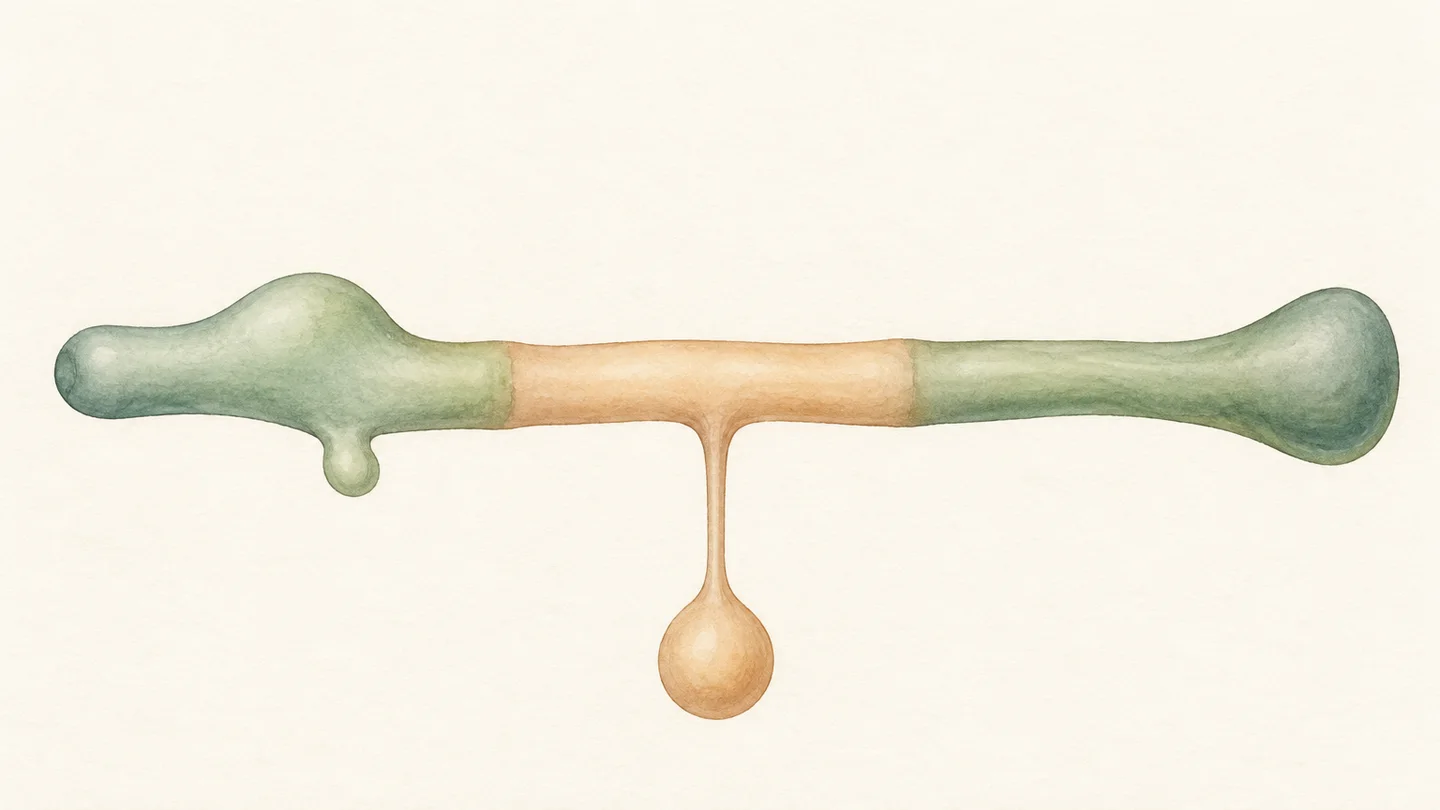
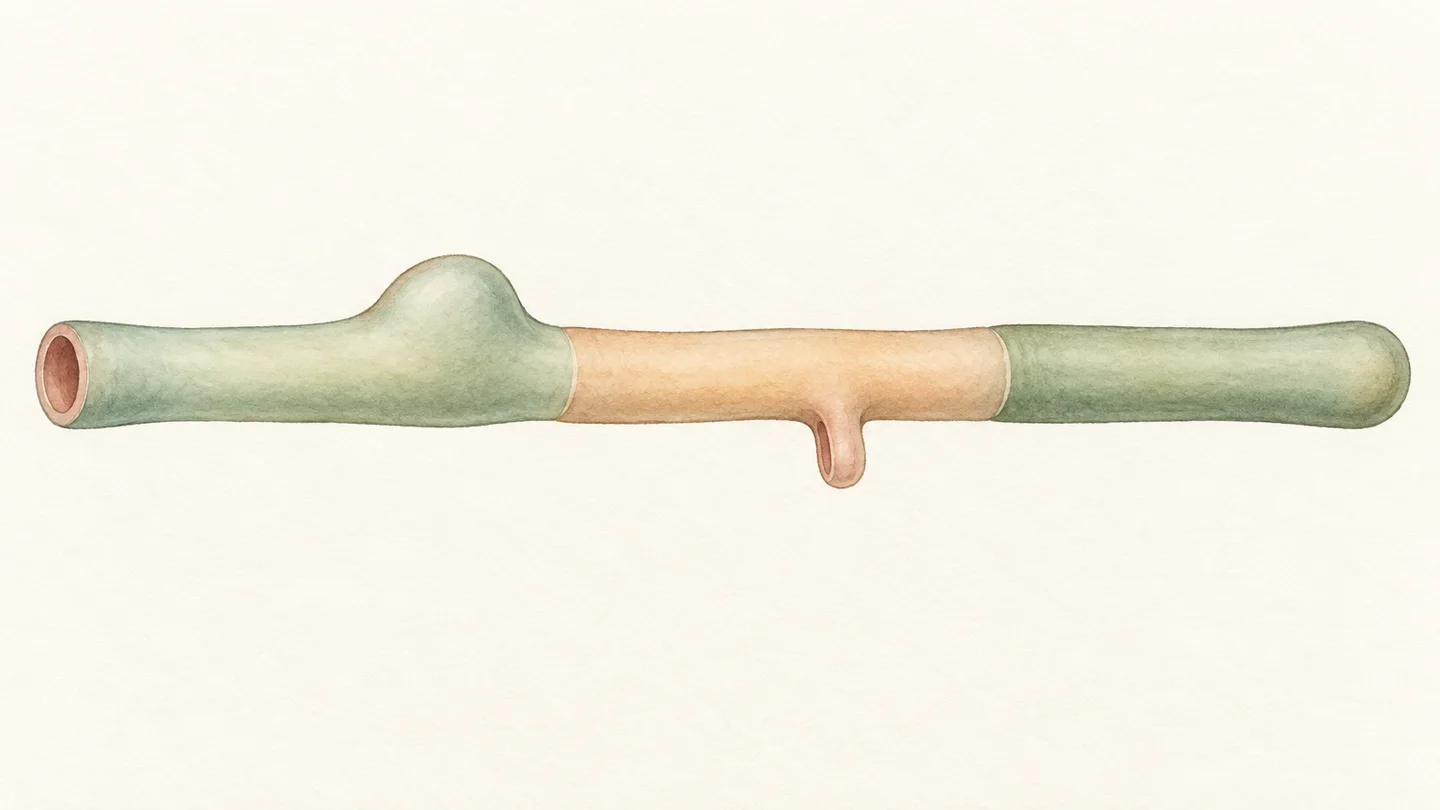
- Lesson 17.1 · 4 min Start hereRead One tube, three parts How the folding embryo turns part of the yolk sac into a gut tube, and how that tube is divided into foregut, midgut and hindgut.
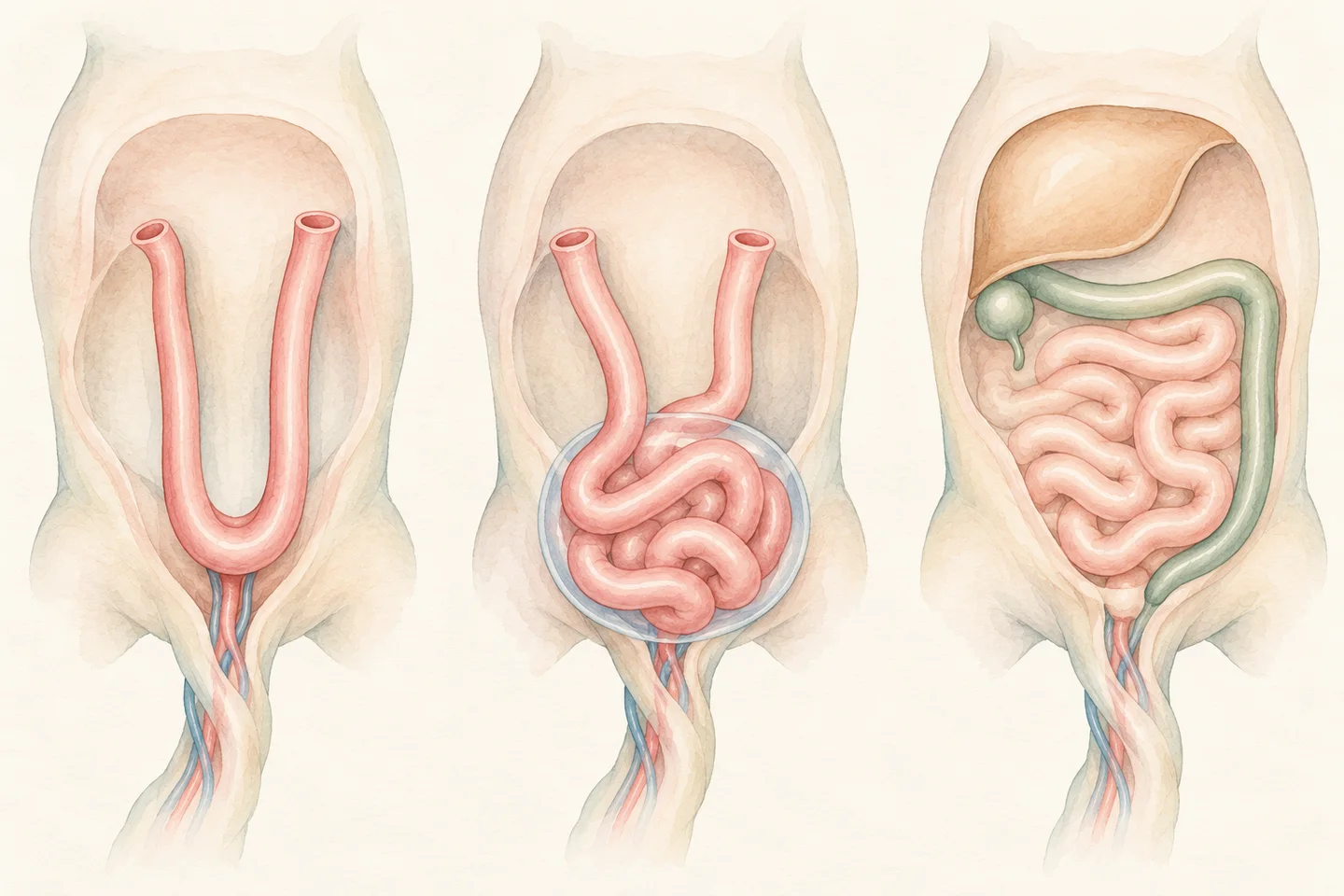
- Lesson 17.2 · 4 min Start hereRead The stomach turns and the bowel takes a trip How the stomach gets its shape, and why part of the bowel grows outside the body for a few weeks before settling back in.
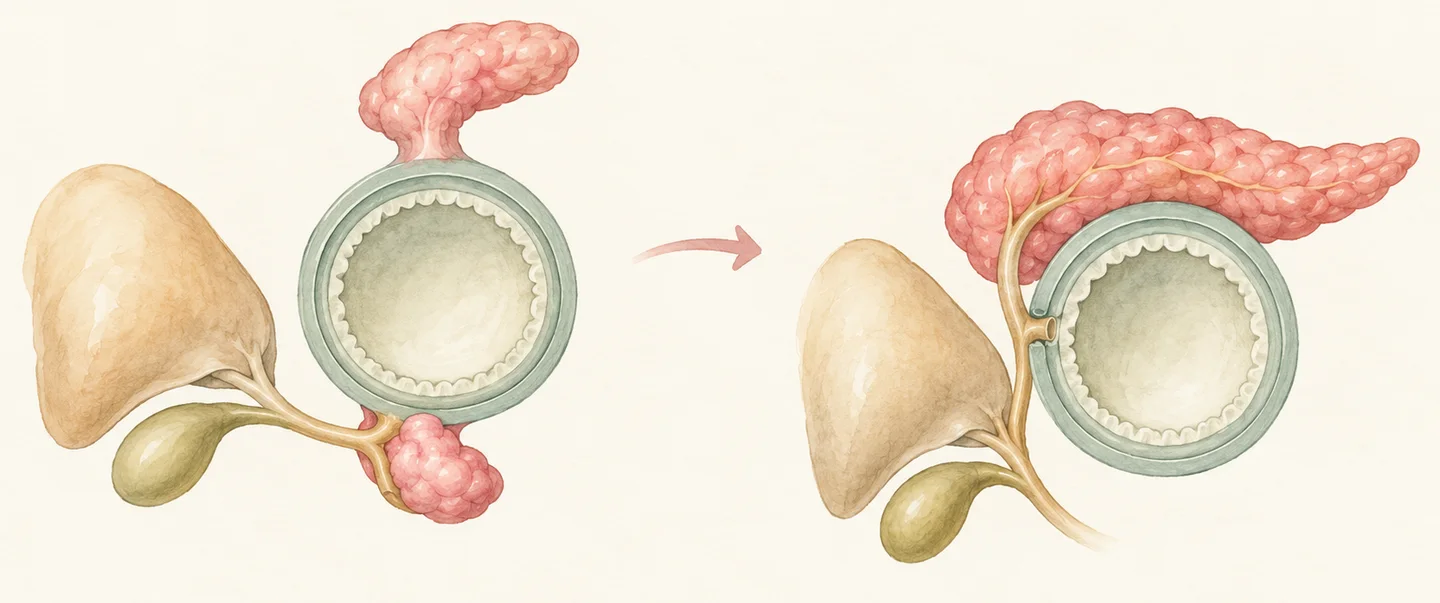
- Lesson 17.3 · 4 min Start hereRead The liver and the pancreas How two glands bud from the gut tube near the future duodenum, and what each one does before birth.
- Lesson 17.4 · 4 min Start hereRead When the gut forms differently The main kinds of gut differences a baby can be born with, explained by the developmental step each one comes from.
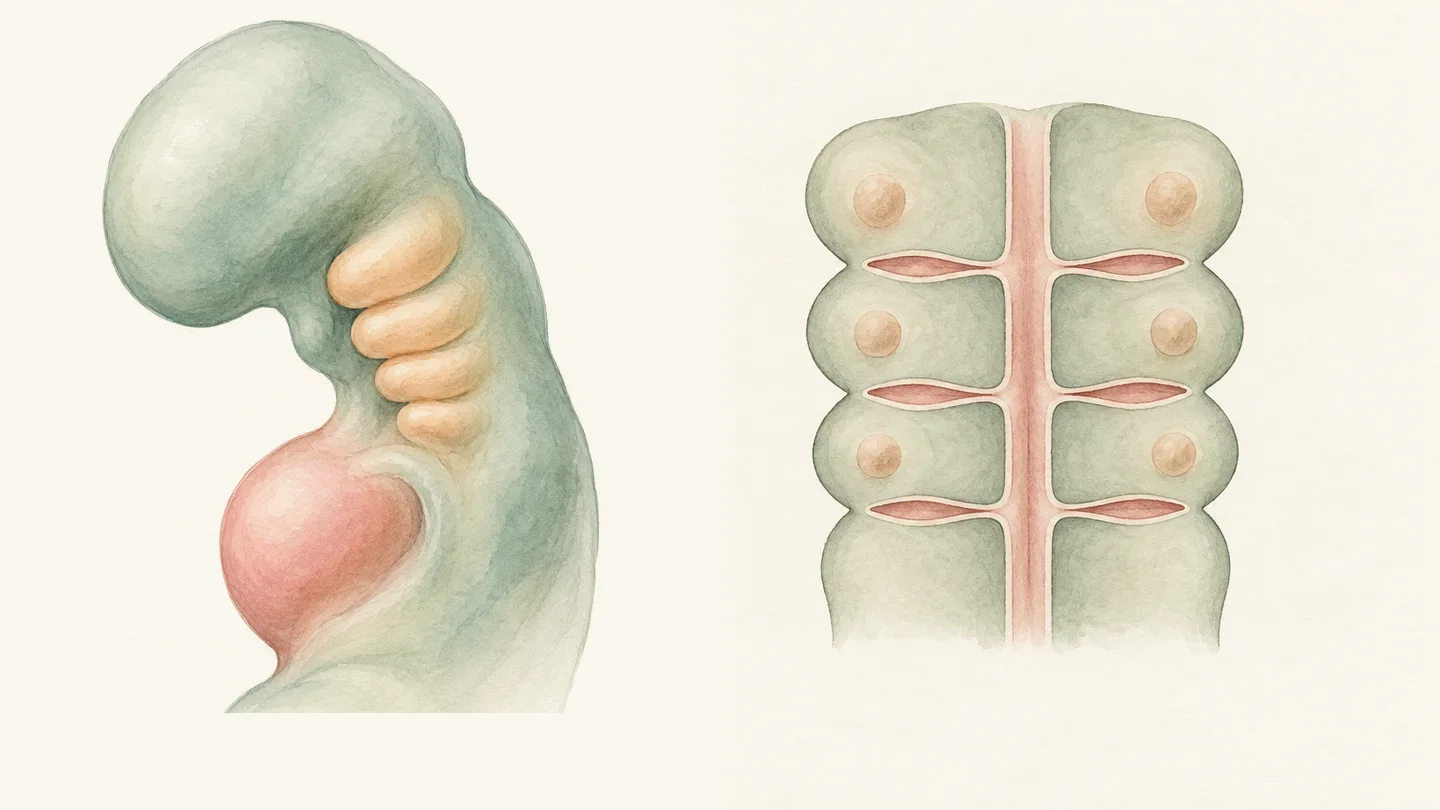
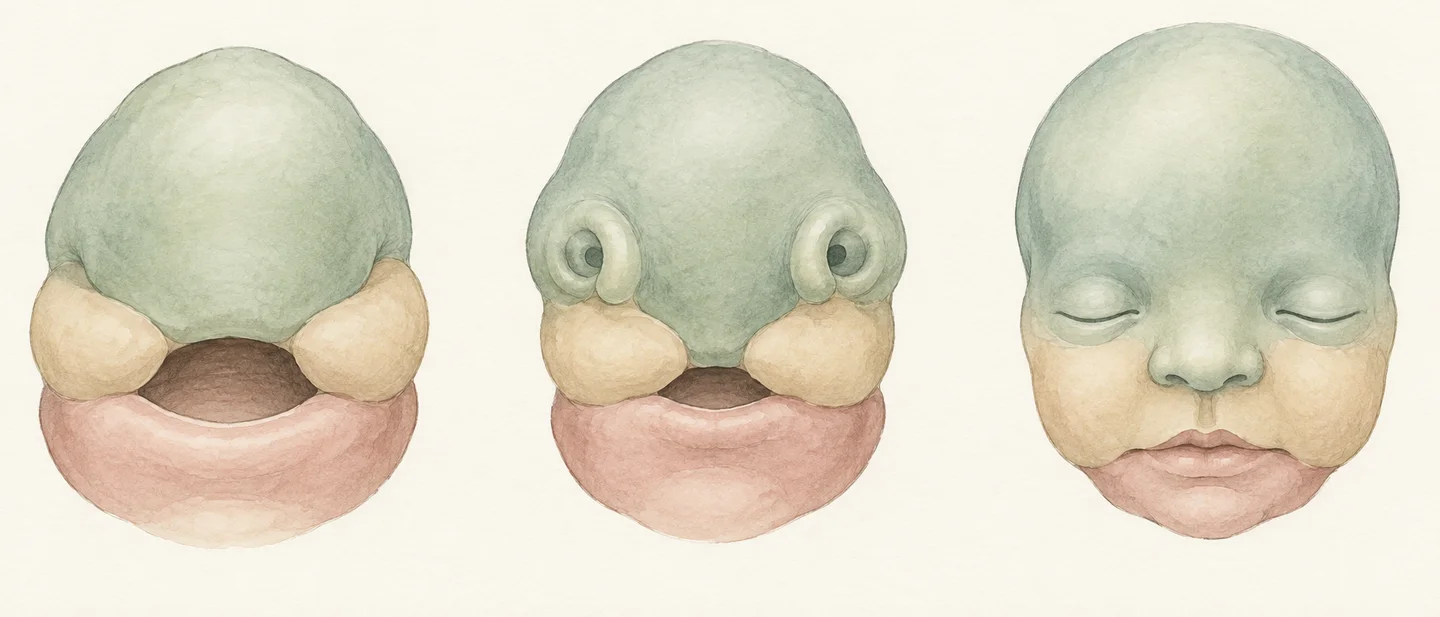
- Lesson 17.5 · 4 min Start hereRead The pharyngeal arches and the face How a row of swellings in the embryo's neck builds the jaws, throat and ears, and how five swellings meet to make the face.
- Lesson 17.6 · 4 min Start hereRead The mouth, palate, teeth and neck glands How the roof of the mouth closes, why clefts of the lip and palate happen, how teeth begin, and how the thyroid travels down into the neck.

Learning aims
By the end of this module you will be able to:
- Describe how the gut tube forms when the embryo folds, and name its three parts.
- Explain how the stomach turns and why the midgut grows into the umbilical cord for a few weeks.
- Describe how the liver and the pancreas bud from the gut, and what the fetal liver does before birth.
- Recognise the main kinds of gut differences and the developmental step each one comes from.
- Describe how the pharyngeal arches and five facial swellings build the face and palate, and explain why cleft lip and palate happen.
- Ask informed questions about early scan findings at the base of the cord.
The module in brief
The module in brief
- The gut forms as one tube in week 4 after fertilisation, when the folding embryo draws part of the yolk sac inside.
- The tube has three parts, foregut, midgut and hindgut, each supplied by its own artery.
- The stomach widens and turns a quarter turn, which also swings the duodenum, liver and pancreas into place.
- The midgut grows into the umbilical cord in week 6 after fertilisation and returns in week 10 (about 12 weeks of pregnancy), so a small bulge at the cord base on an early scan can be normal.
- The liver buds from the foregut early in week 4; before birth it makes blood cells, and from about week 12 after fertilisation it makes bile.
- The pancreas forms from a dorsal and a ventral bud that fuse after the gut turns; insulin release starts at about week 10.
- Most gut differences trace back to one step: a passage that does not reopen, a loop that does not return or settle, a stalk that remains, or nerves that do not reach the end of the bowel.
- The face forms from the pharyngeal arches and five swellings that meet and fuse between weeks 4 and 10 after fertilisation, and the palate closes by about week 12; clefts of the lip and palate affect about 1.7 in 1,000 babies, and a cleft is not anyone's fault.