
Module 16
The lungs
How a small pouch on the gut tube grows into two lungs, why the lungs are among the last organs to be ready, and what changes with the first breath.
- 4lessons
- 16 minreading
- 6quiz questions
The lessons and the quiz in this module are part of the Fertility with Kara Package. Module 1 is free to read.
Your way through Module 16
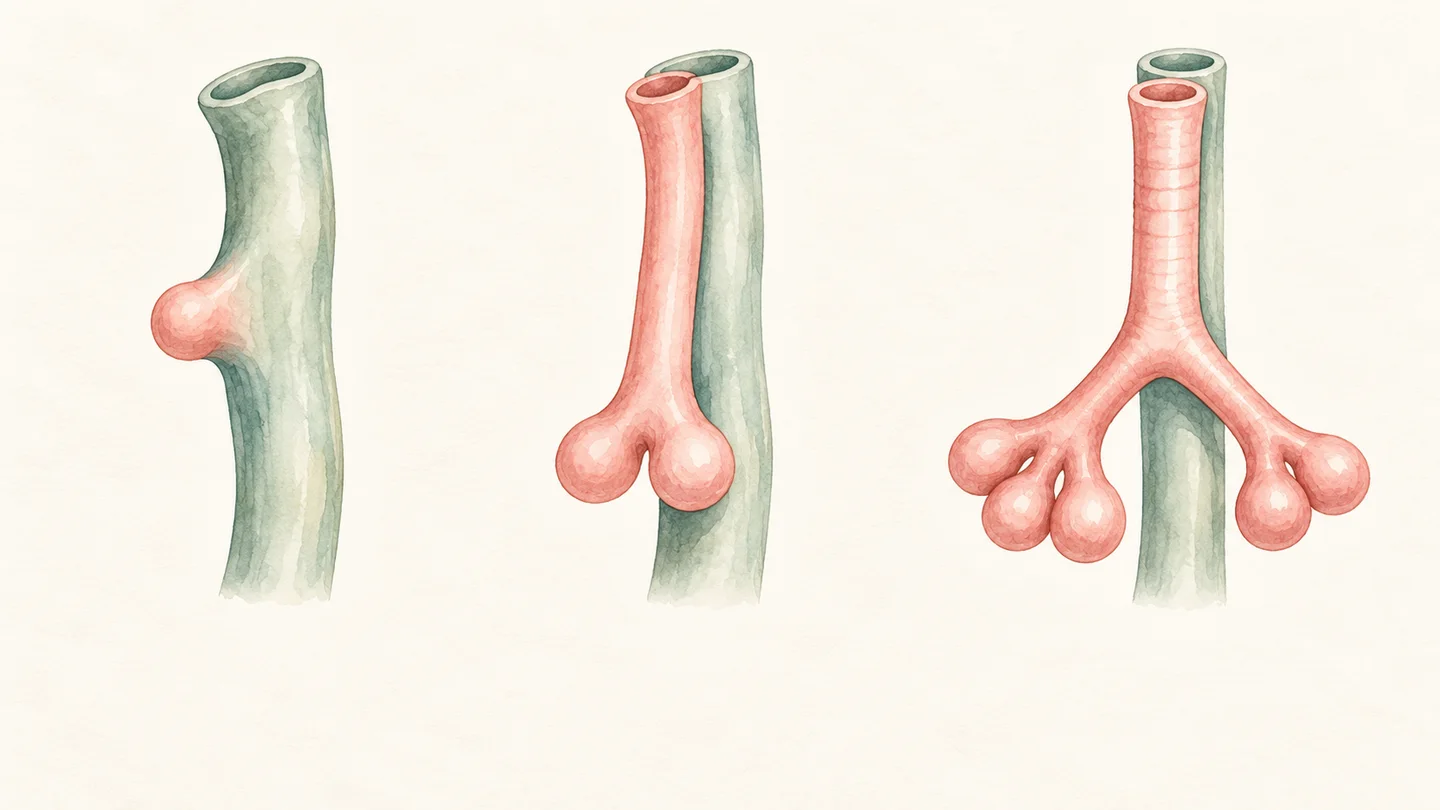
- Lesson 16.1 · 4 min Start hereRead A bud from the gut How the lungs begin as a small pouch on the front of the gut tube, and how that pouch grows into a branching tree of airways.
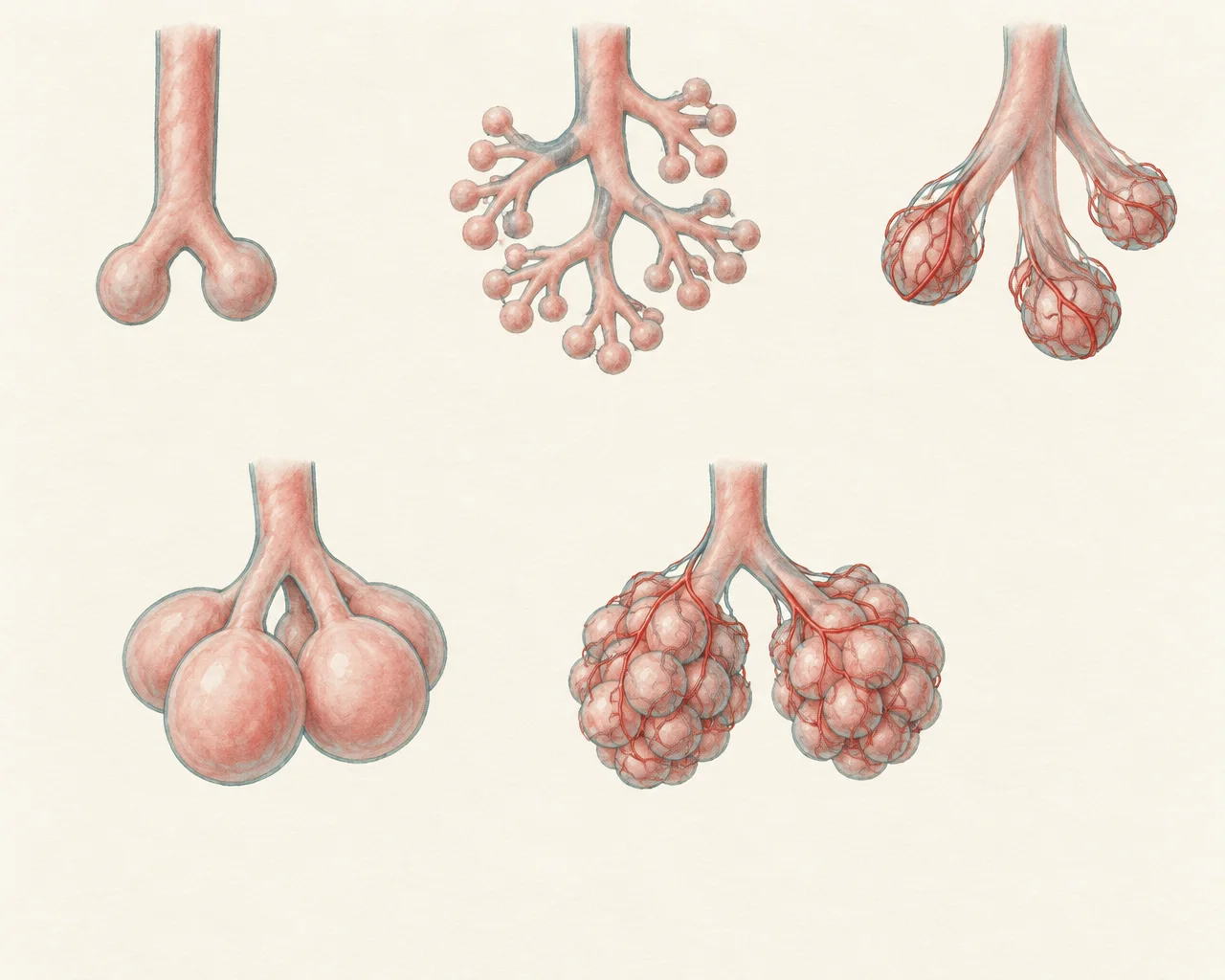
- Lesson 16.2 · 4 min Start hereRead Five stages, from tubes to air sacs The five overlapping stages of lung development, what each one adds, and why the lungs keep growing long after birth.
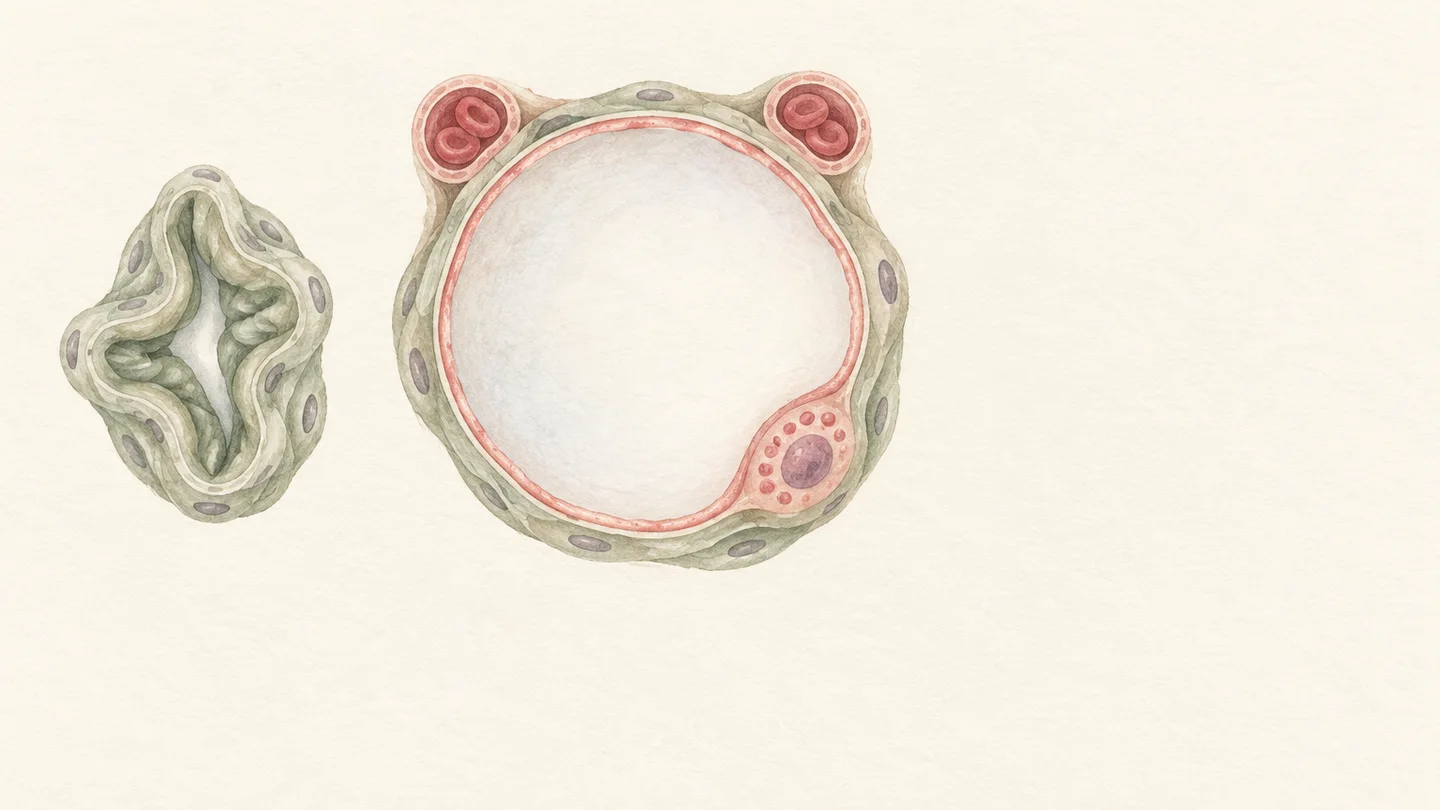
- Lesson 16.3 · 4 min Start hereRead Surfactant and babies born early What surfactant is, why tiny air sacs need it, and how doctors help the lungs of babies who arrive before they are ready.
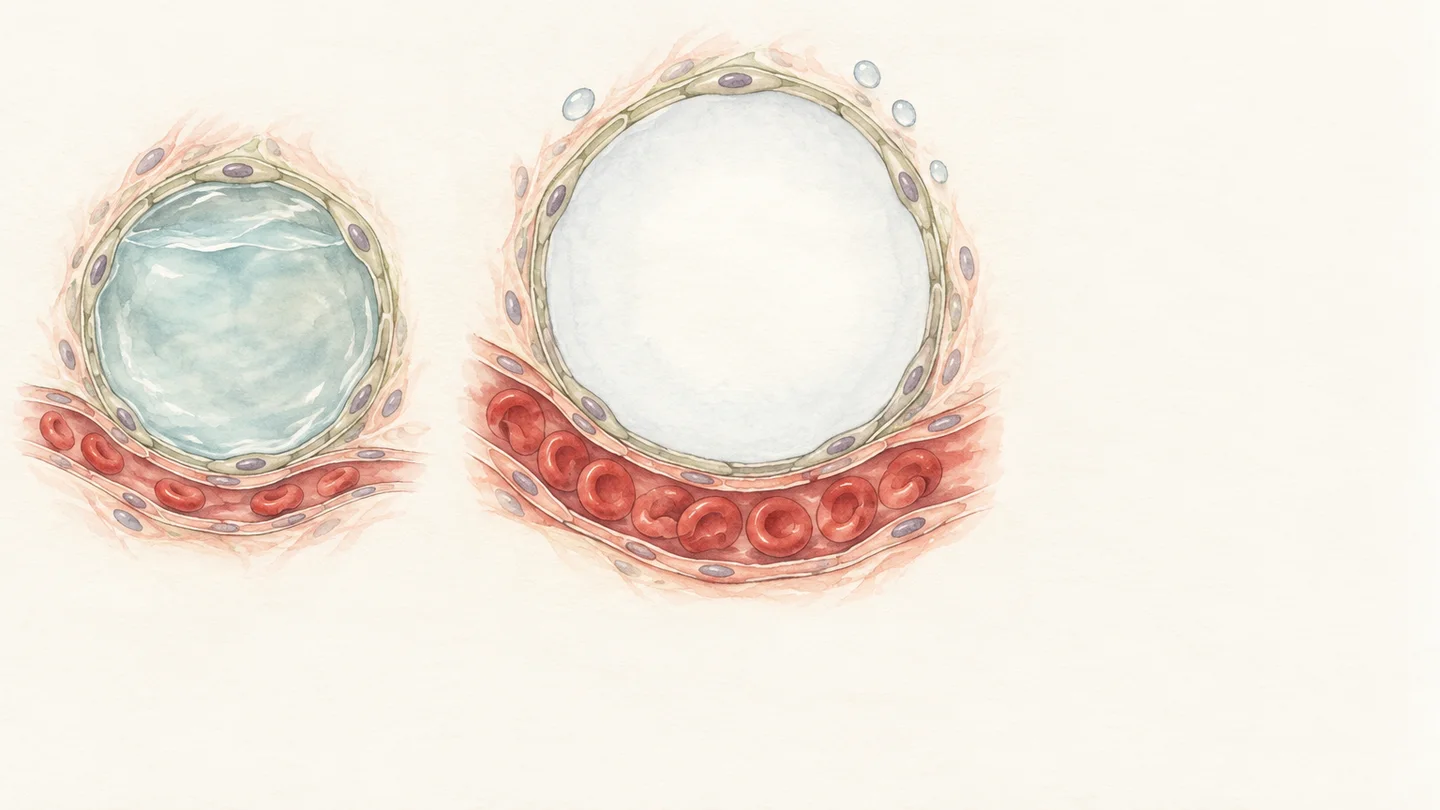
- Lesson 16.4 · 4 min Start hereRead The first breath What has to change in the lungs and the circulation in the first minutes after birth, when a baby swaps placenta for air.

Learning aims
By the end of this module you will be able to:
- Describe how the lung buds and the trachea grow from the foregut.
- Explain the five stages of lung development and what each one adds.
- Explain what surfactant does and why babies born early may not have enough.
- Recognise how steroid injections before birth and surfactant after birth help the lungs of babies born early.
- Describe what happens to the lungs and the circulation at the first breath.
The module in brief
The module in brief
- The lungs grow from a pouch on the front of the foregut at about 26 days after fertilisation, and a wall then separates the trachea from the oesophagus.
- The airways branch again and again; about the first 20 generations of branches form by 17 weeks after fertilisation.
- Lung development runs through five overlapping stages: embryonic, pseudoglandular, canalicular, saccular and alveolar.
- The first thin air-to-blood barriers form towards the end of the canalicular stage, and alveoli keep forming into young adulthood.
- Before birth the lungs are full of liquid; breathing movements and that liquid help the lungs grow, and very little amniotic fluid can leave them small.
- Surfactant keeps the tiny air sacs open; it appears around the middle of pregnancy, so babies born early may develop respiratory distress syndrome.
- Steroid injections for the mother before an early birth reduce breathing problems and newborn deaths, and surfactant can be given after birth.
- At the first breaths, air replaces lung liquid, blood flow through the lungs rises, and the fetal shortcuts in the heart close.