
Module 15
Blood, lymph and the immune system
Where a baby's blood is made before birth, why fetal haemoglobin grips oxygen so well, and how the thymus and the mother's antibodies prepare a newborn for the world.
- 3lessons
- 10 minreading
- 6quiz questions
The lessons and the quiz in this module are part of the Fertility with Kara Package. Module 1 is free to read.
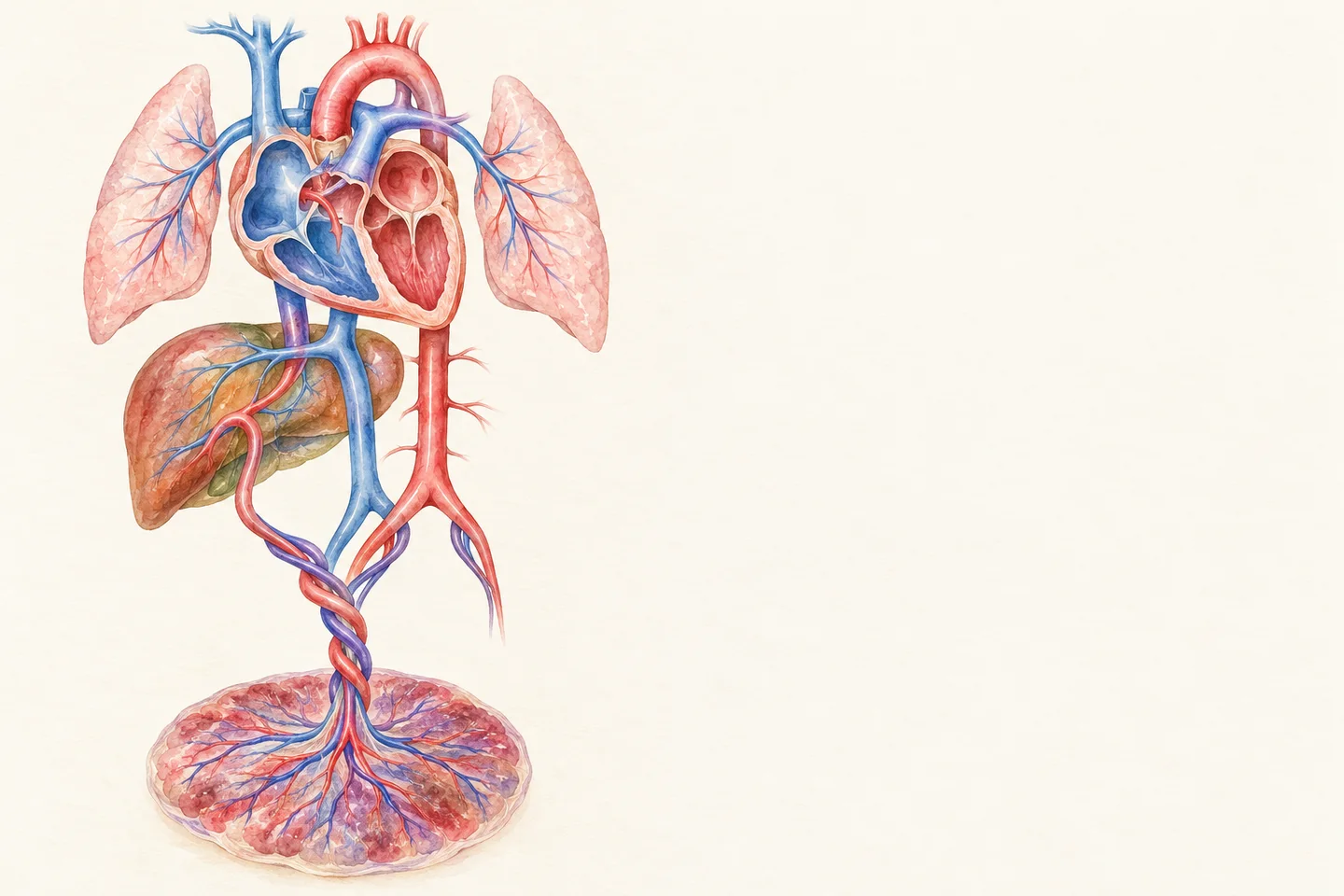
Your way through Module 15
- Lesson 15.1 · 3 min Start hereRead Where blood is made How the job of making blood moves from the yolk sac to the liver and then to the bone marrow as the baby grows.
- Lesson 15.2 · 3 min Start hereRead Fetal haemoglobin Why a baby makes its own kind of haemoglobin before birth, how it helps take oxygen from the mother's blood, and why the switch after birth matters.
- Lesson 15.3 · 4 min Start hereRead Lymph, the thymus and the mother's antibodies How the lymphatic system and the thymus form, how a baby's immune cells learn their job, and how the mother lends her antibodies across the placenta.
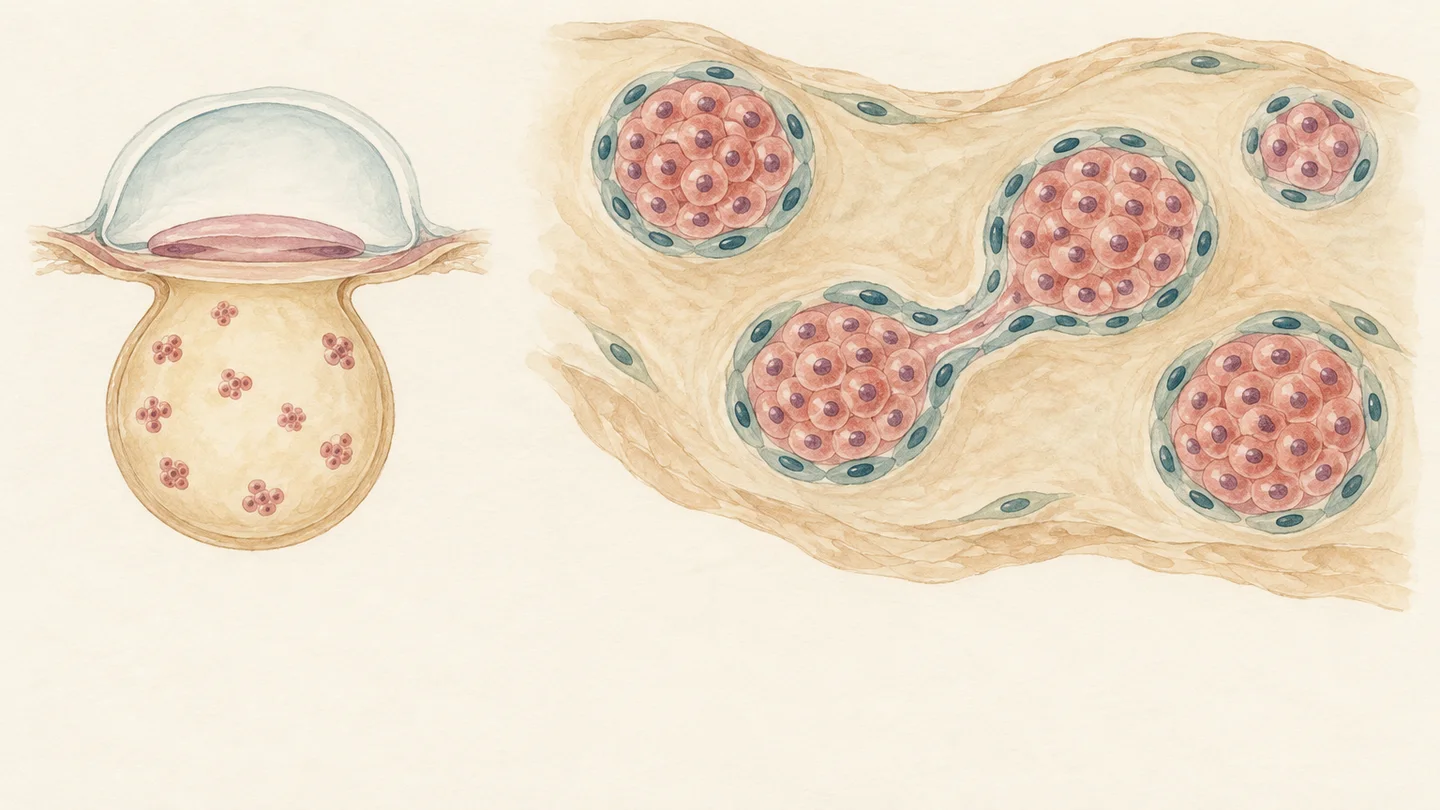
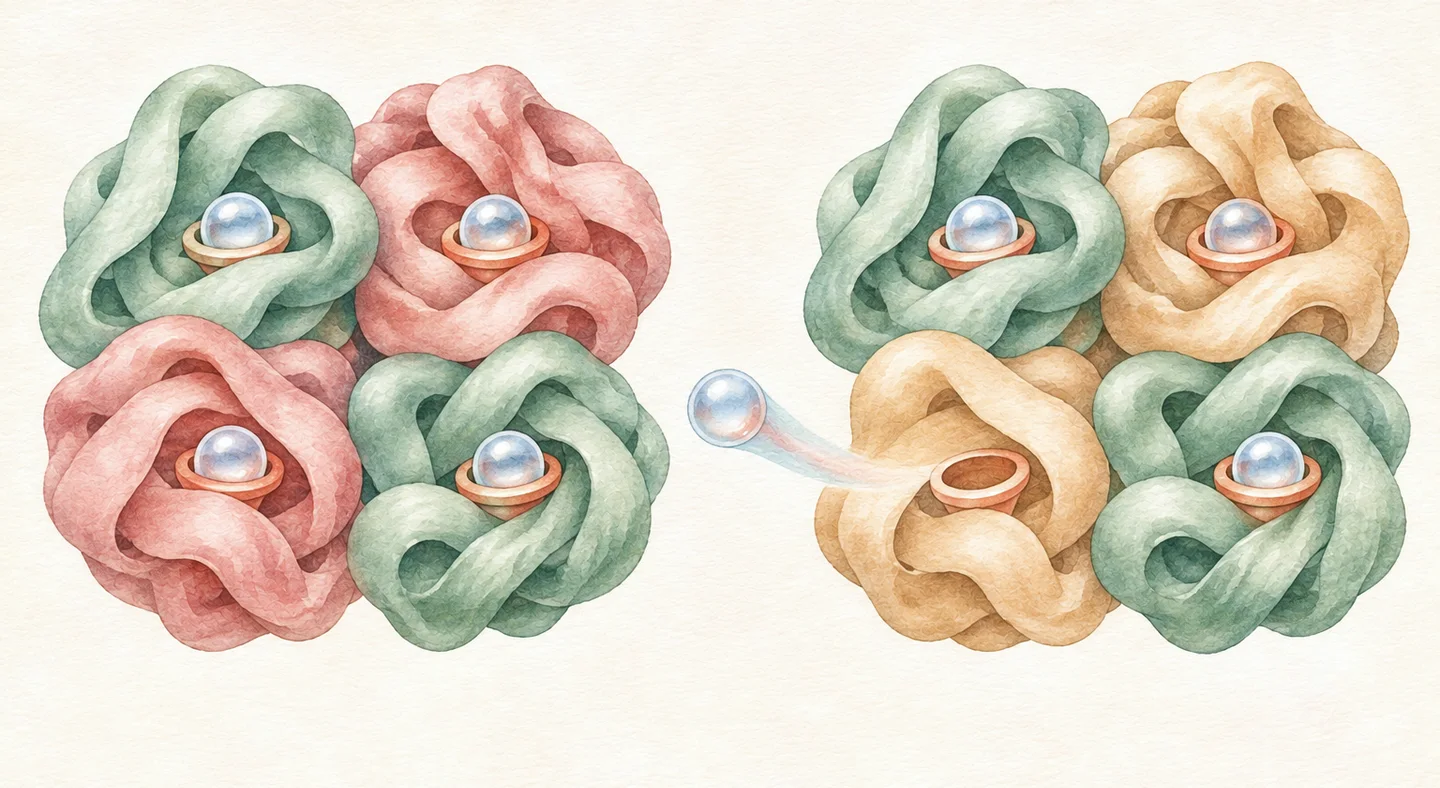

Learning aims
By the end of this module you will be able to:
- Describe how blood-making moves from the yolk sac to the liver and then to the bone marrow.
- Explain why fetal haemoglobin helps a baby take oxygen from the mother's blood.
- Explain why the switch to adult haemoglobin matters for conditions such as sickle cell disease.
- Describe what the lymphatic system and the thymus do, and where the thymus comes from.
- Explain how and when the mother's antibodies reach the baby, and why babies born early have fewer.
- Ask your healthcare professional about family history and vaccines in pregnancy.
The module in brief
The module in brief
- The first blood cells form in blood islands in the yolk sac, from about day 16 to 18 after fertilisation.
- The liver becomes the main blood factory for much of the pregnancy, and the bone marrow takes over by around the time of birth.
- Fetal haemoglobin (HbF) grips oxygen more tightly than adult haemoglobin, so oxygen moves from the mother's blood to the baby's in the placenta.
- Around birth the body switches to adult haemoglobin (HbA), and only very low levels of HbF remain a year later.
- Sickle cell disease and beta thalassaemia usually show themselves only as HbF fades after birth.
- The thymus forms from the third pharyngeal pouch and trains T cells to tell self from not self.
- The mother's IgG antibodies cross the placenta from about 13 weeks of pregnancy, mostly in the last four weeks, and at term the baby's level is usually higher than hers.