
Every module, every lesson
25 modules in four parts, 102 lessons, a quiz at the end of each module and a final assessment.
- 25modules
- 102lessons
- 6.7 hof reading
- 4exams
How a life begins
11 modules · 48 lessonsFrom egg and sperm to a newborn: how a new life begins and grows.
- Module 01: Welcome to the course Not started
-
Module 01 · 3 lessons · 11 min
Welcome to the course
What this course covers, how each lesson works, and who is teaching you.
- Module 02: The big picture: from two cells to a newborn Not started
-
Module 02 · 5 lessons · 20 min
The big picture: from two cells to a newborn
The whole of human development in one module: how egg and sperm become an embryo, a fetus and a baby, and how to read the two different ways of counting weeks.
- Module 03: Making eggs and sperm Not started
-
Module 03 · 5 lessons · 23 min
Making eggs and sperm
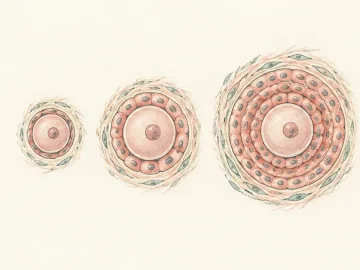
How the body makes eggs and sperm: meiosis in plain words, the long life of a follicle, the sperm production line, the hormones behind both, and what age changes.
- Module 04: Fertilisation Not started
-
Module 04 · 5 lessons · 20 min
Fertilisation
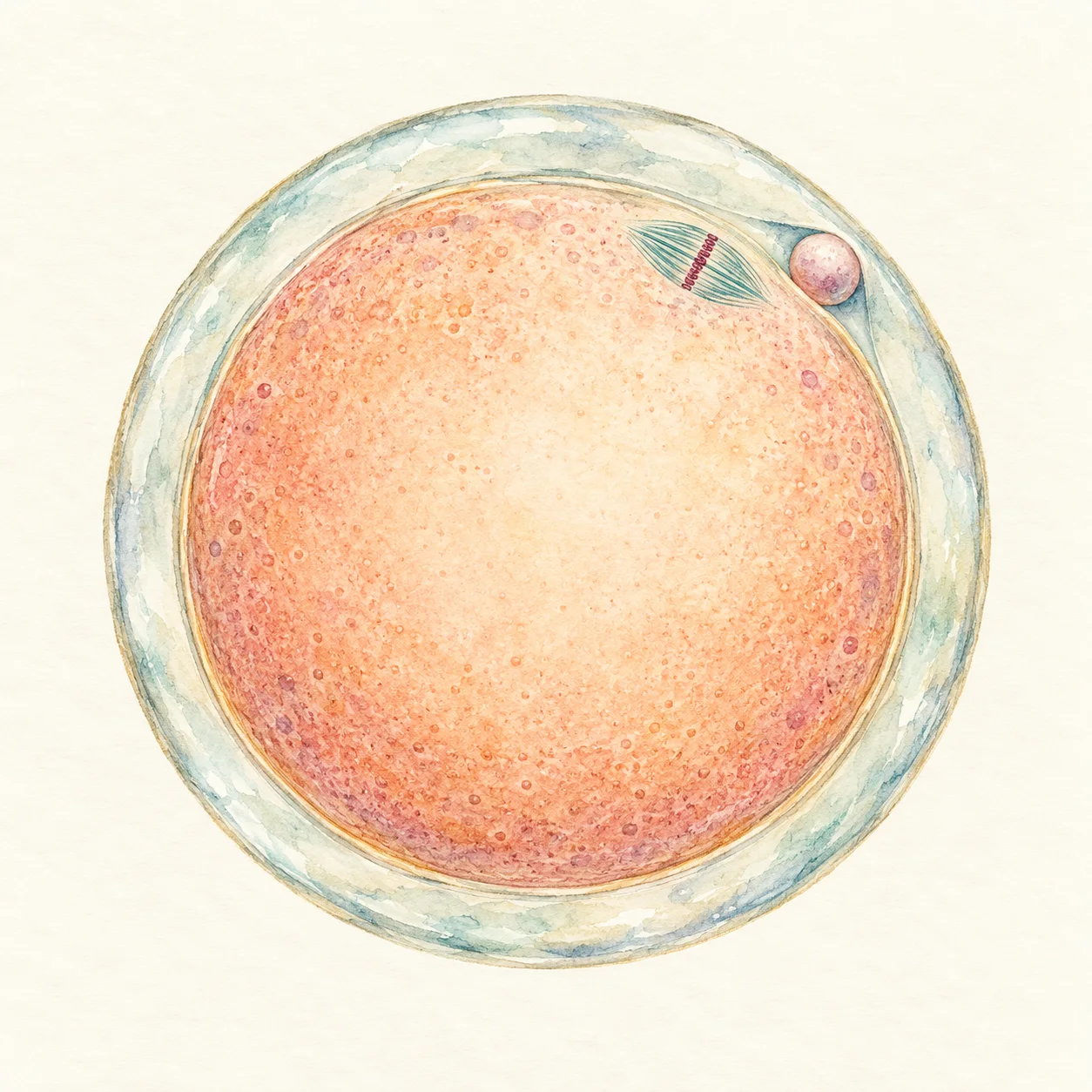
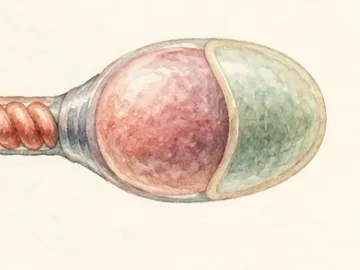
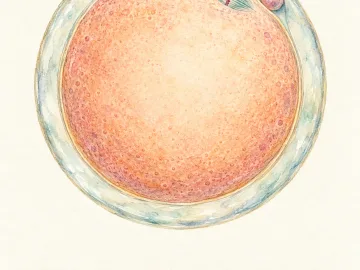
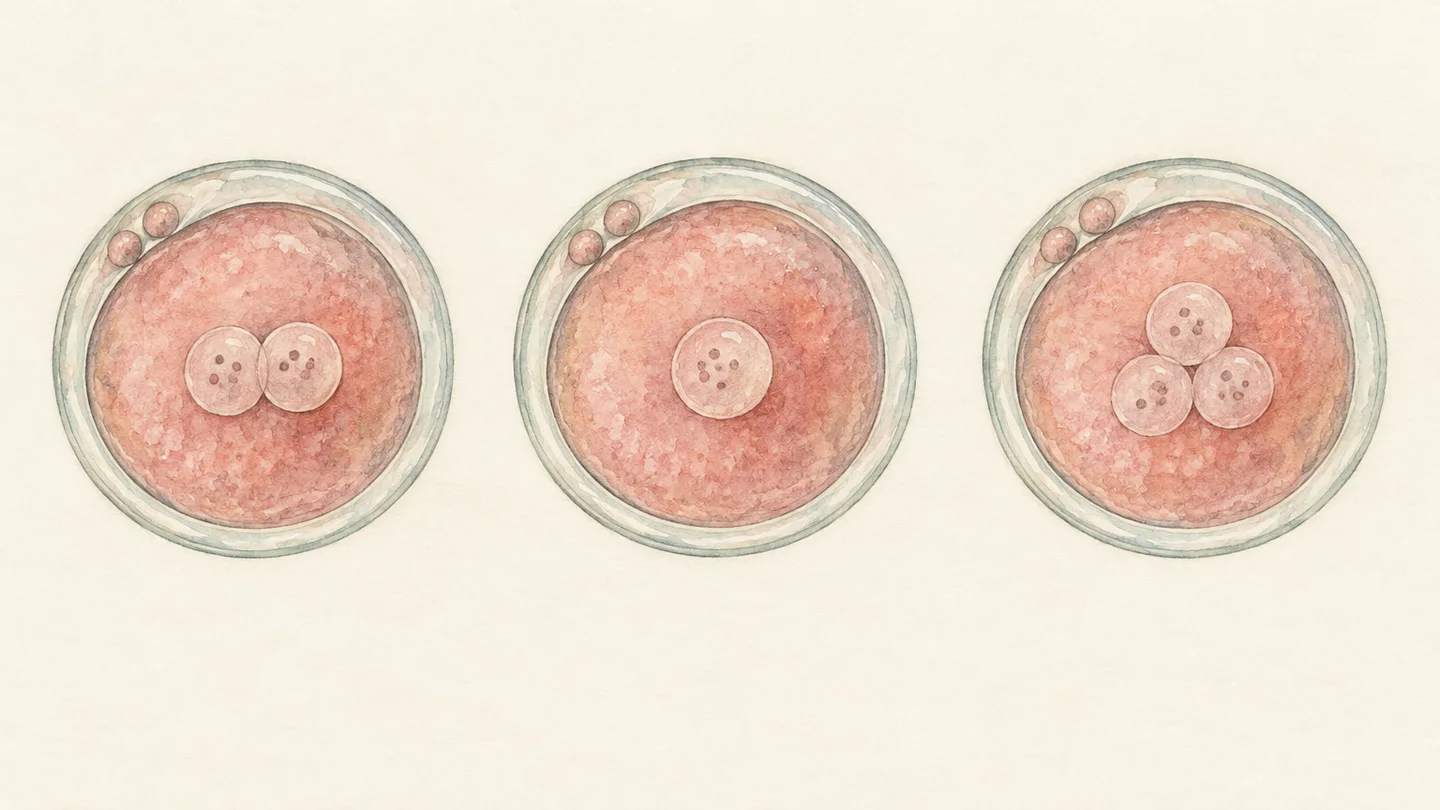
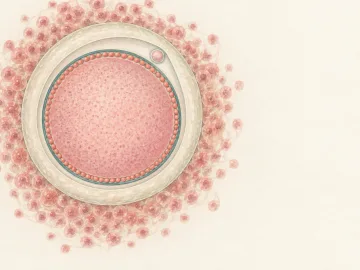
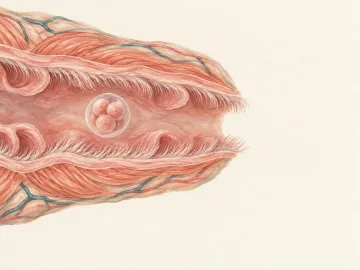
How an egg and a sperm find each other in the fallopian tube, how one sperm gets inside, and what an embryologist looks for the morning after.
- Module 05: The first week: from zygote to blastocyst Not started
-
Module 05 · 5 lessons · 19 min
The first week: from zygote to blastocyst
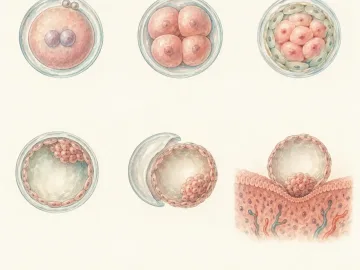
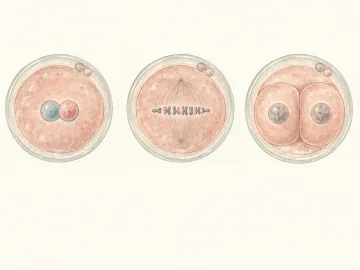
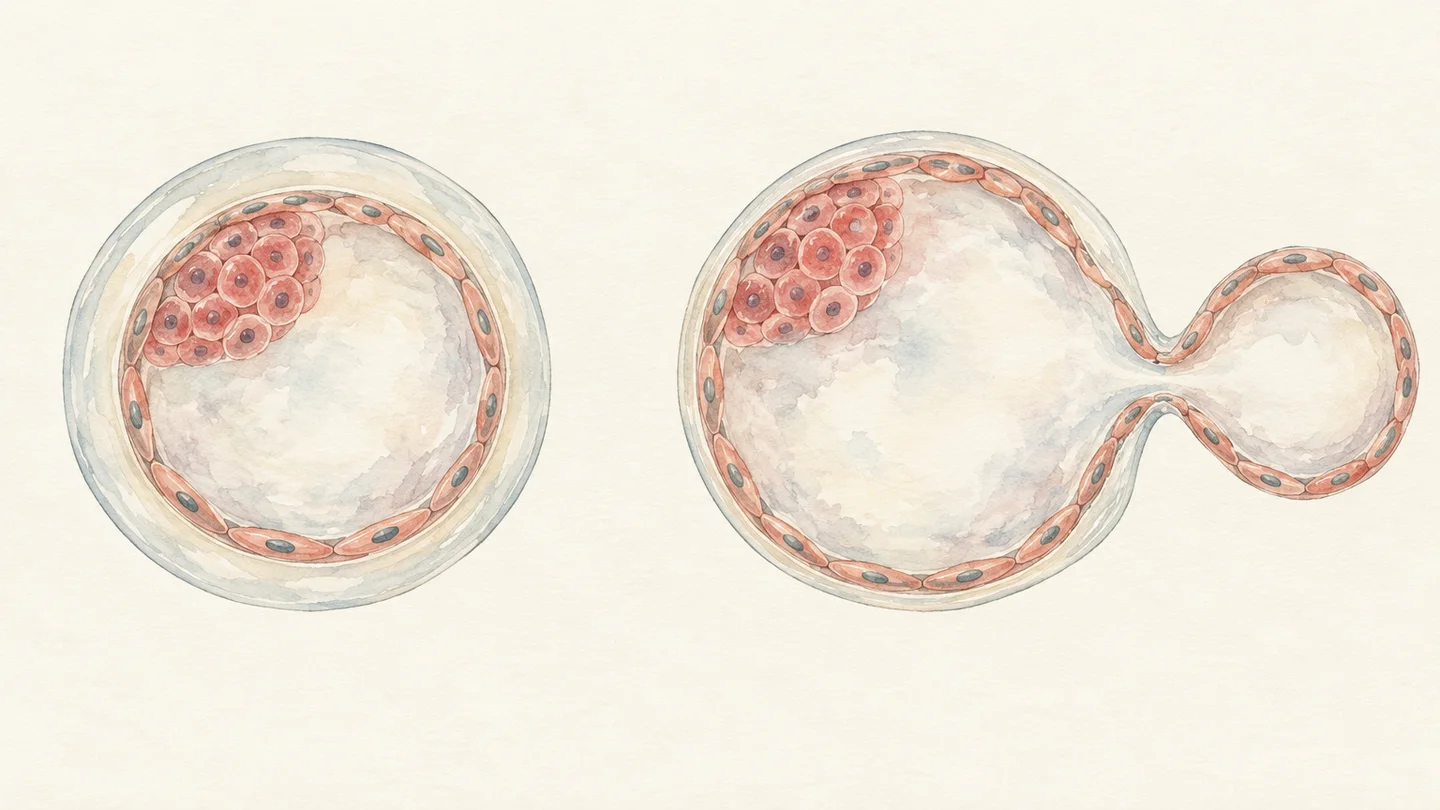
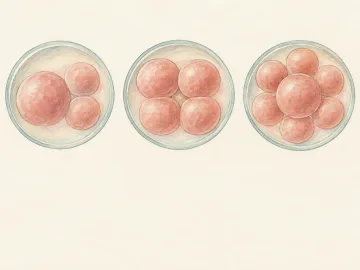
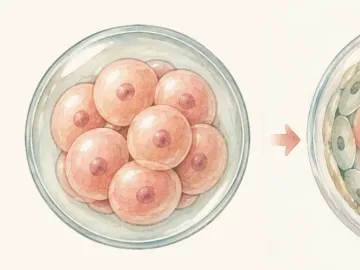
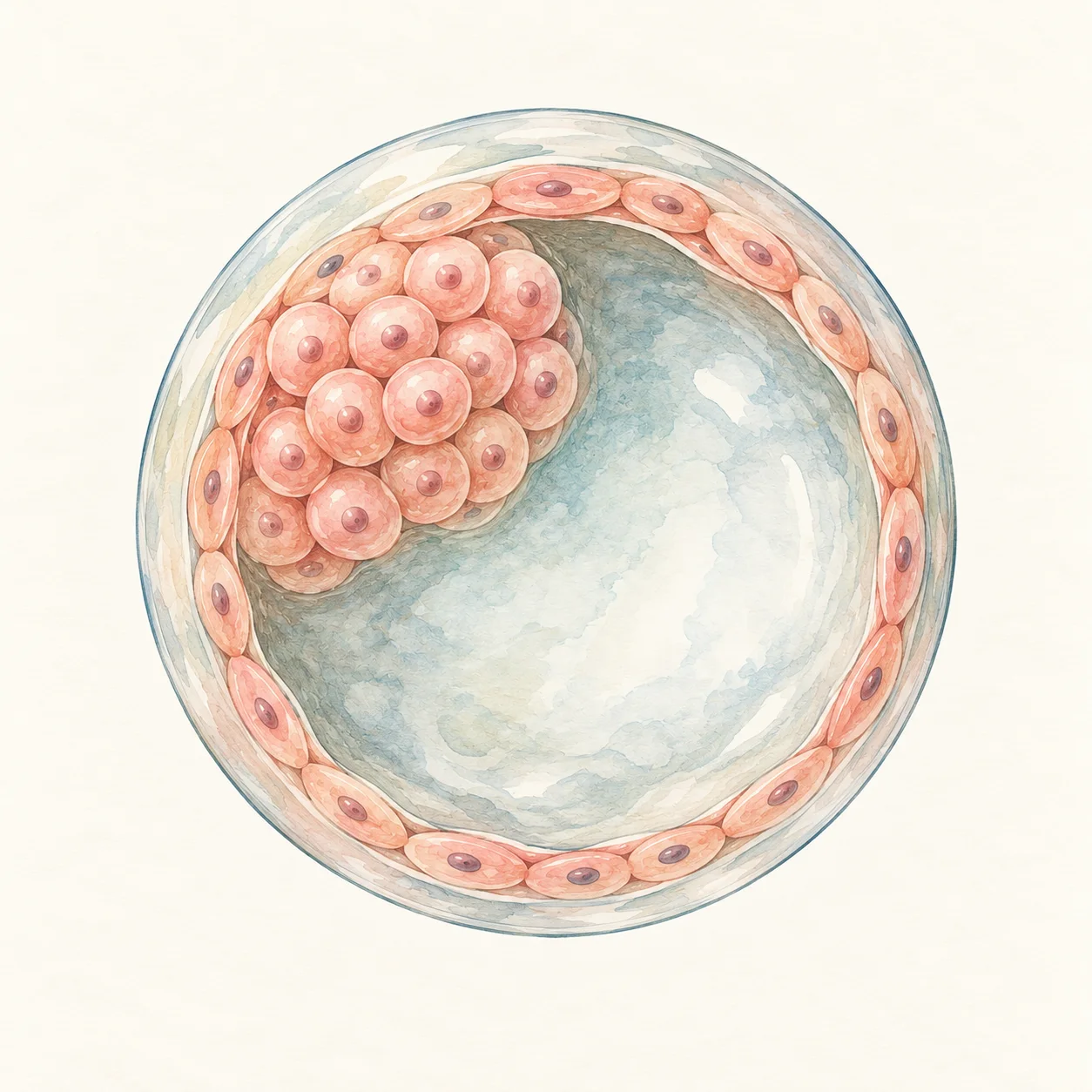
How one fertilised cell becomes a blastocyst of around a hundred cells in about five days, seen through the eyes of the embryologist who watches it happen.
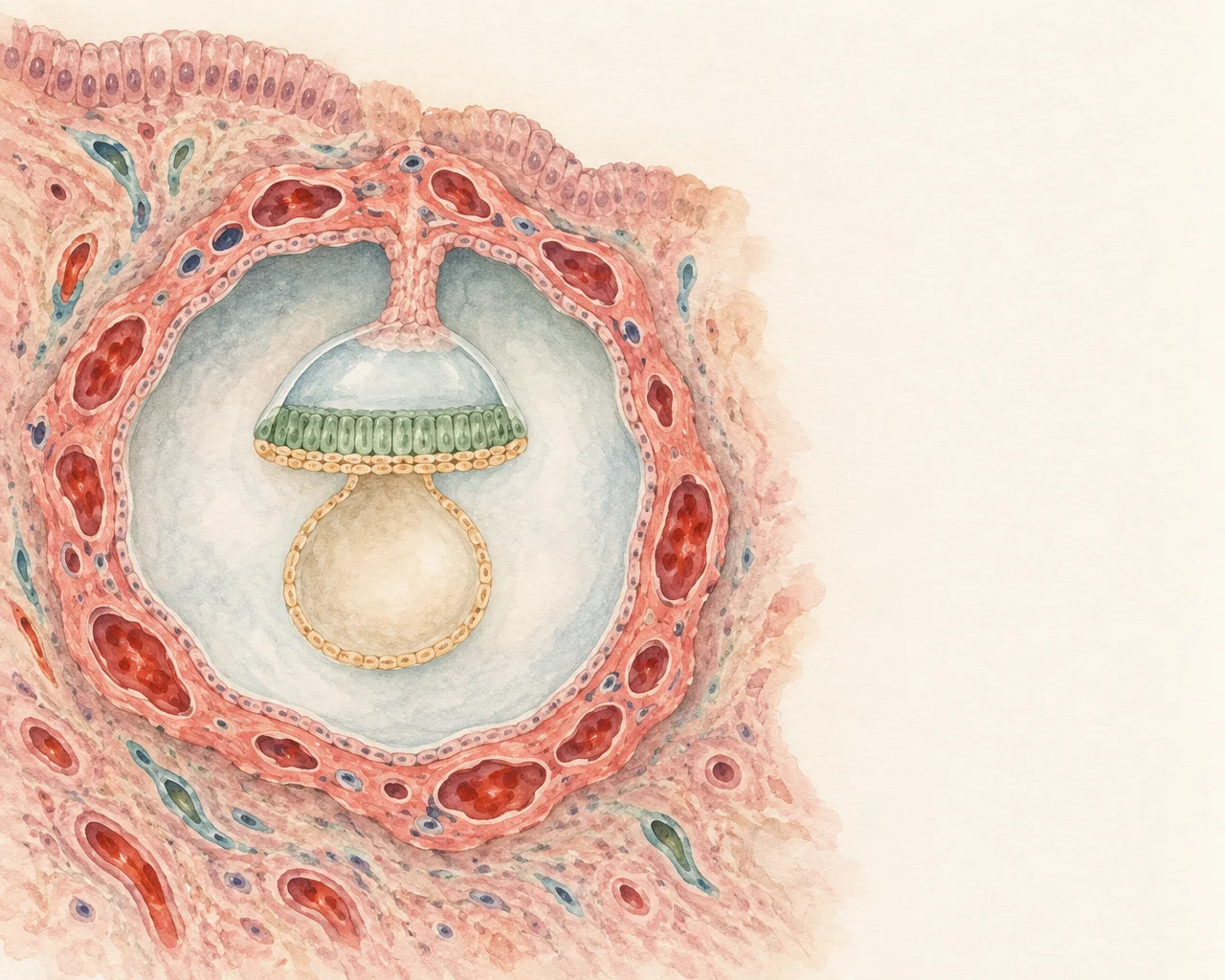
- Module 06: Implantation Not started
-
Module 06 · 4 lessons · 18 min
Implantation
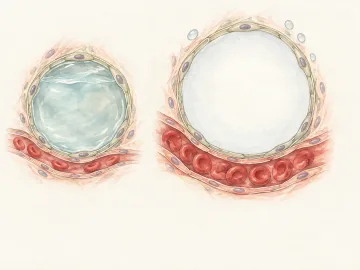
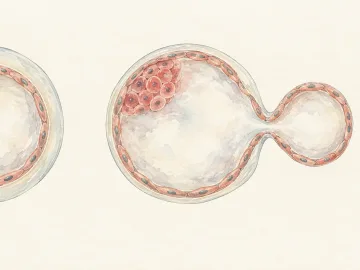
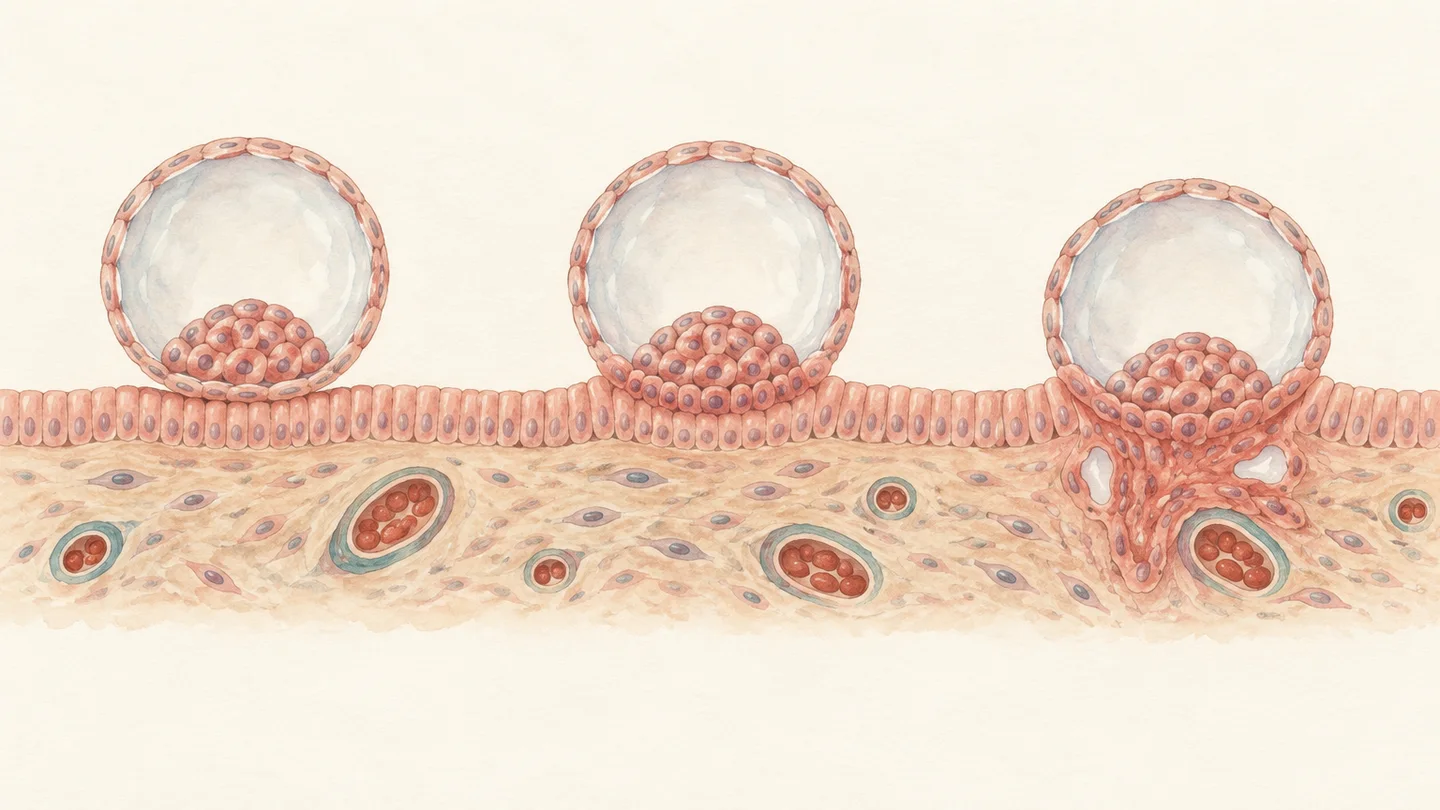
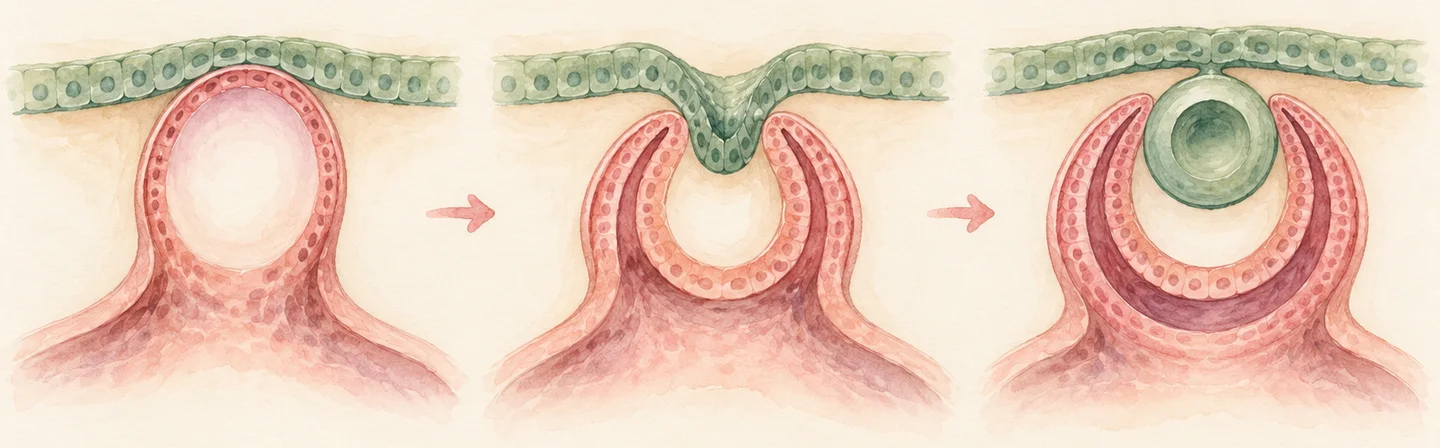
How the blastocyst finds a receptive lining, attaches and burrows in, why hCG appears when it does, and what happens when an early pregnancy does not continue.
- Module 07: Weeks 2 and 3: the embryonic disc Not started
-
Module 07 · 4 lessons · 16 min
Weeks 2 and 3: the embryonic disc
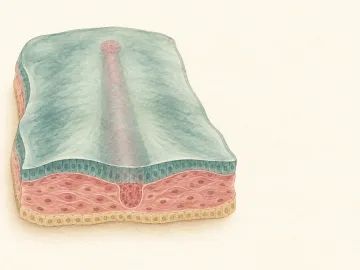
How the inner cell mass becomes a flat disc of two layers, then three, gains a head end and a tail end, and starts to build the nervous system, all before a first scan.
- Module 08: Weeks 4 to 8: the embryonic period Not started
-
Module 08 · 4 lessons · 16 min
Weeks 4 to 8: the embryonic period
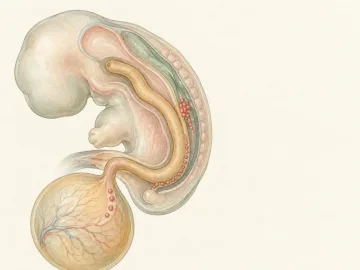
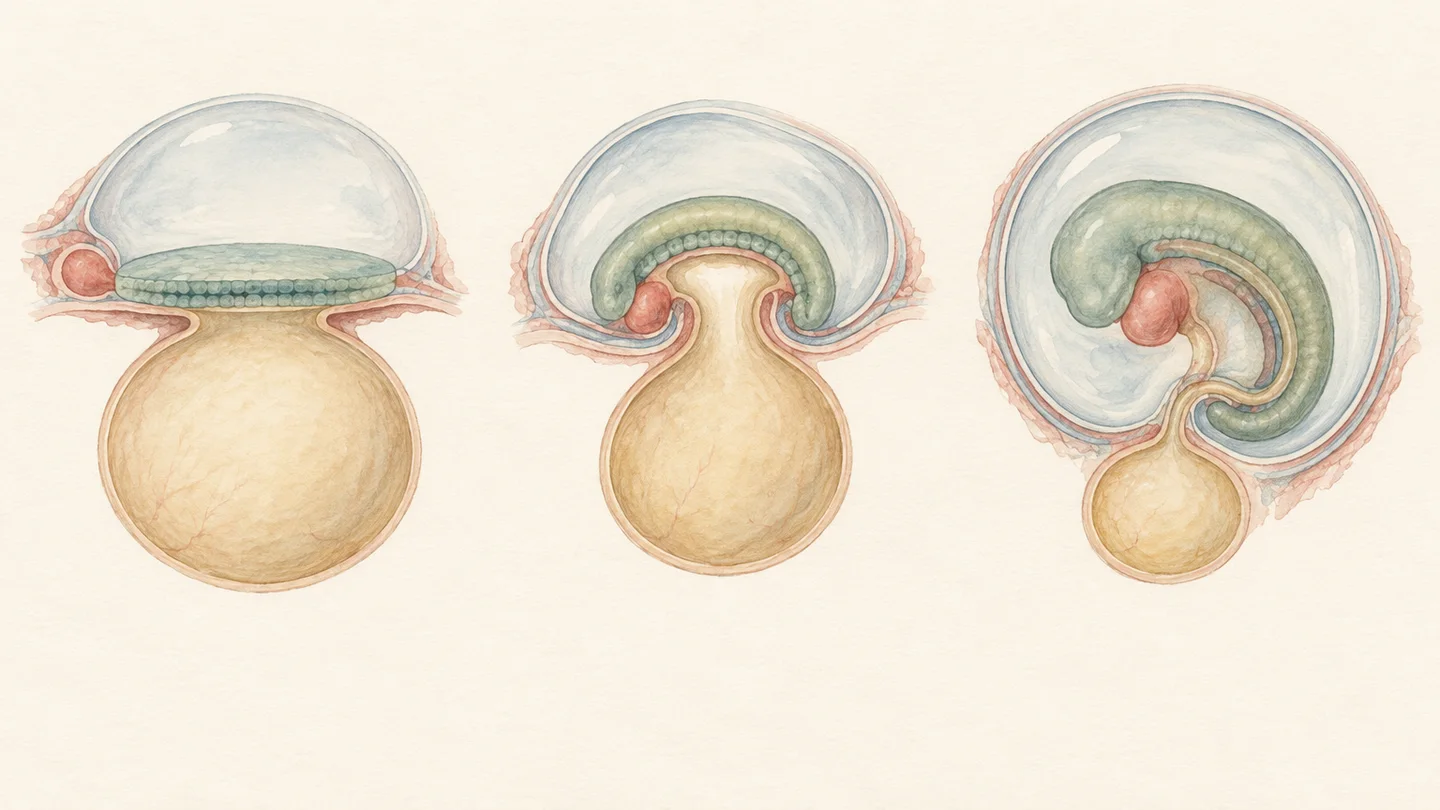
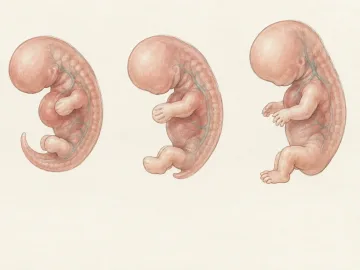
From week 4 to week 8 after fertilisation (about weeks 6 to 10 of pregnancy), the embryo folds into a body, its heart starts to beat, and its face, limbs and every main organ begin to form.
- Module 09: Weeks 9 to birth: the fetal period Not started
-
Module 09 · 4 lessons · 16 min
Weeks 9 to birth: the fetal period
From week 9 after fertilisation the baby is called a fetus, and the work shifts from building organs to growing and maturing them. This module follows that growth to birth, and explains the tests and timings you meet along the way.
- Module 10: The placenta, membranes and cord Not started
-
Module 10 · 4 lessons · 16 min
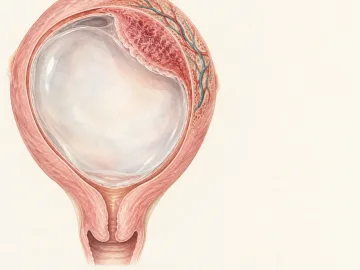
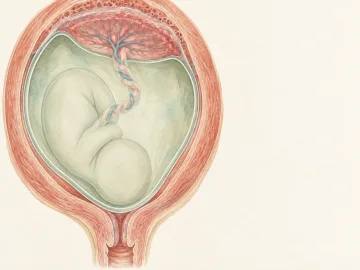
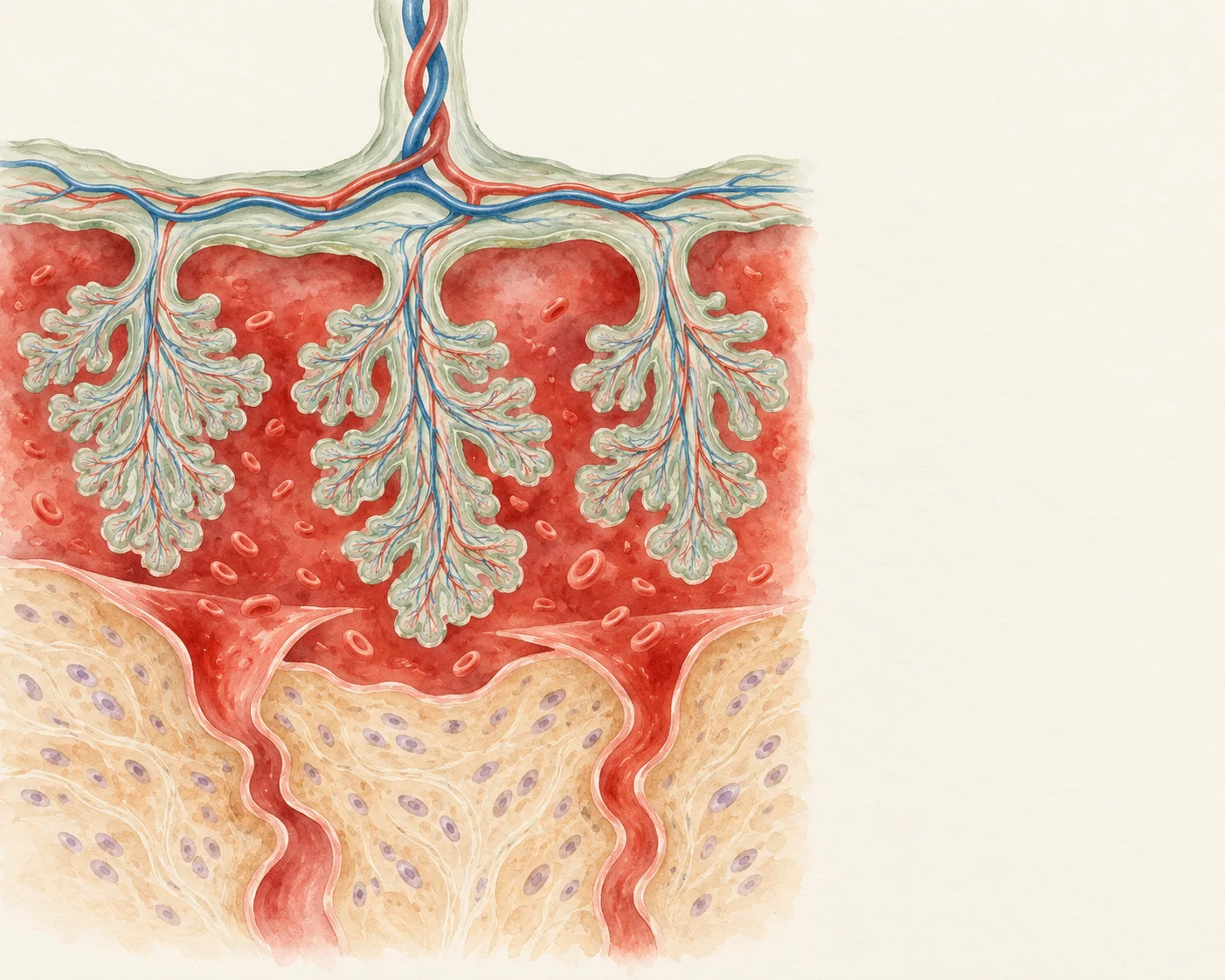
The placenta, membranes and cord
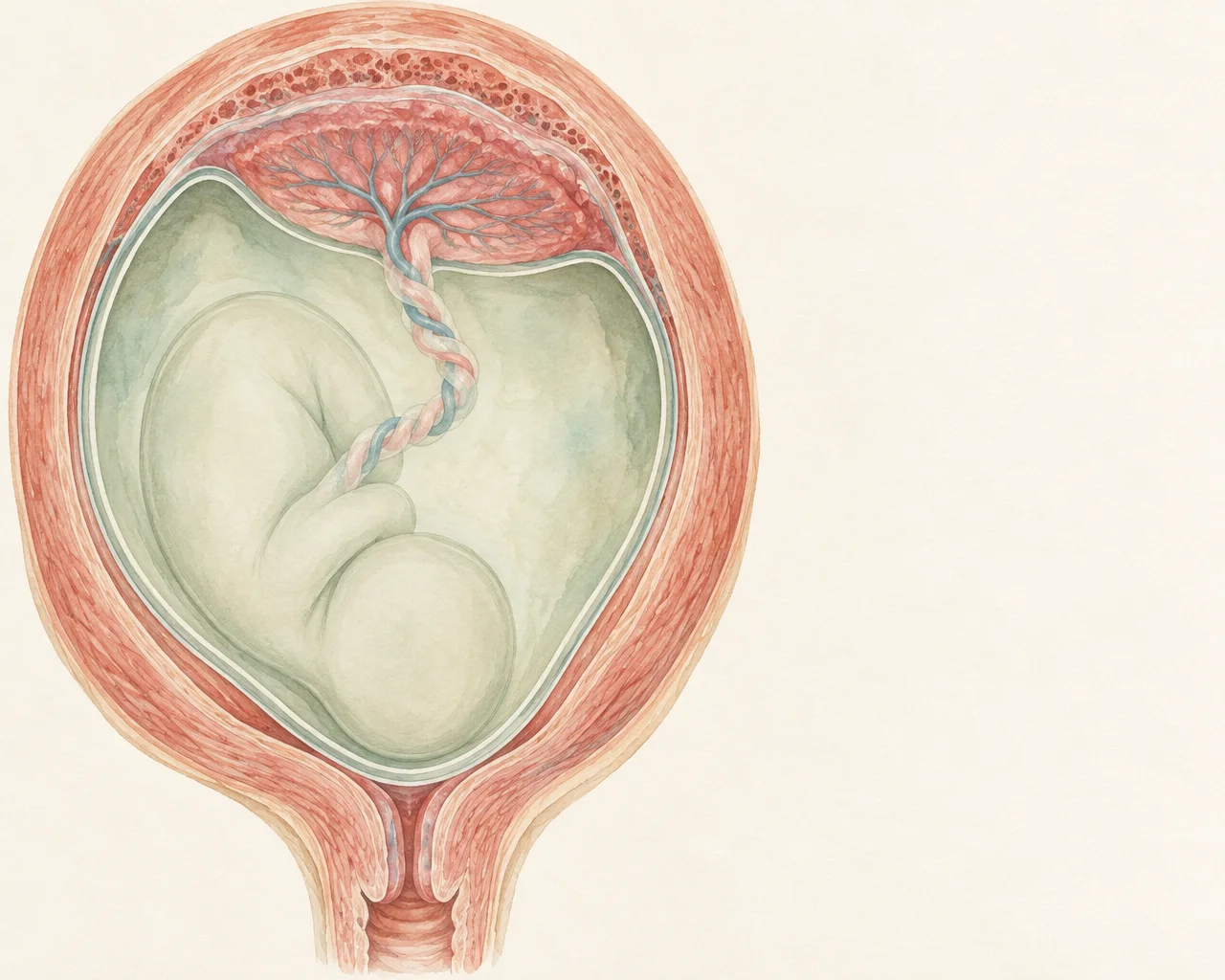
The placenta, the membranes, the fluid and the cord are built by the pregnancy to keep the baby alive. This module shows how they form, what they do, and why twins can share them.
- Module 11: When chromosomes and genes change Not started
-
Module 11 · 5 lessons · 20 min
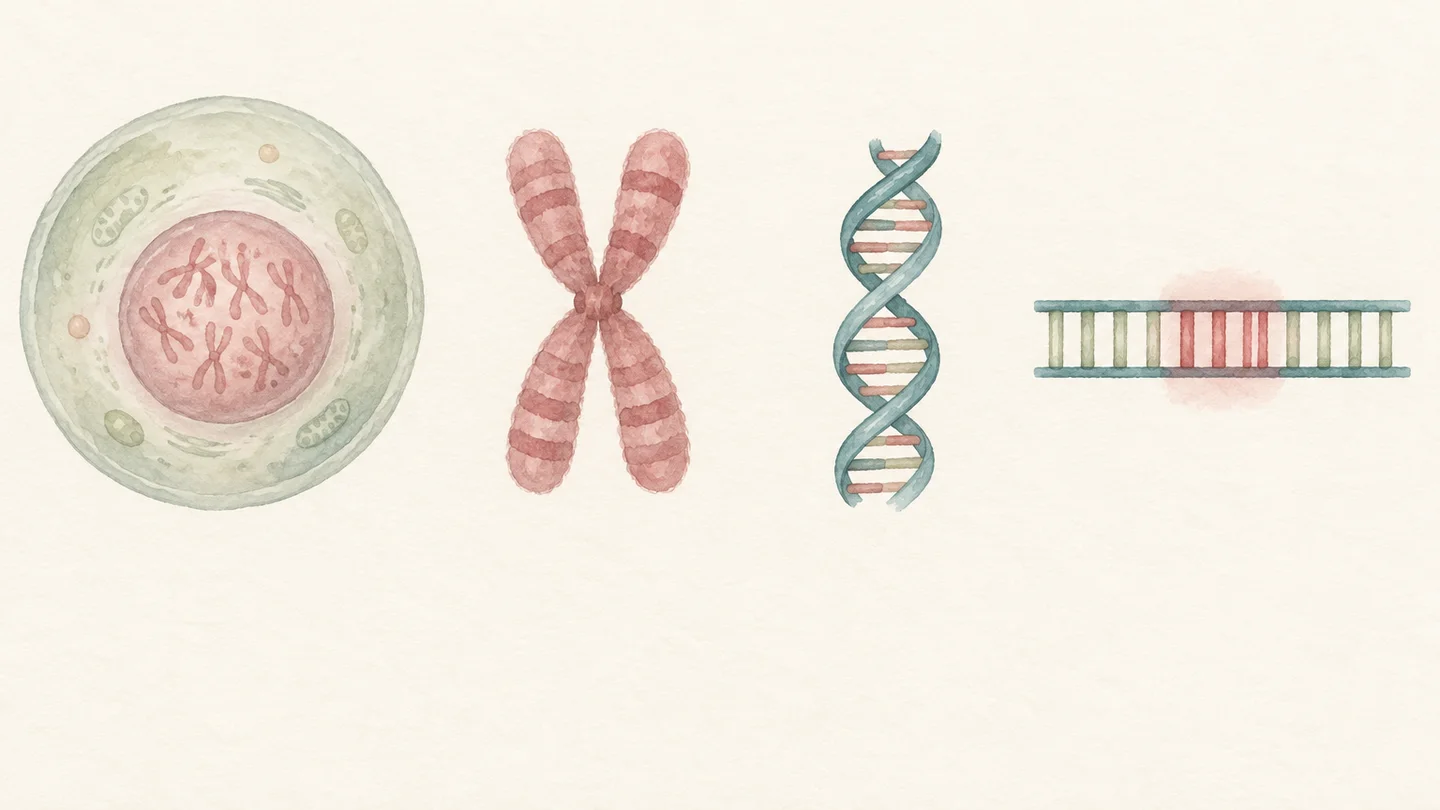
When chromosomes and genes change
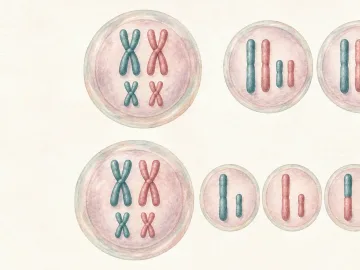
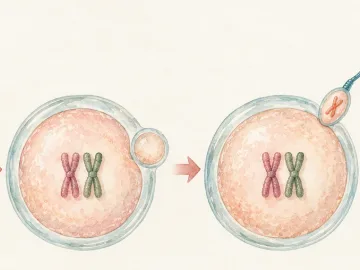
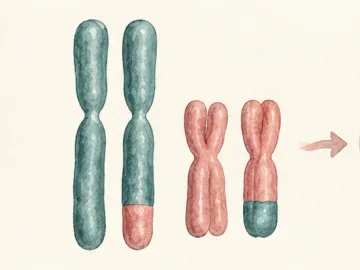
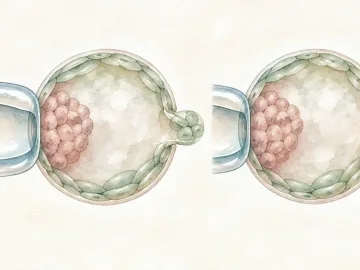
Chromosomes and genes carry the instructions for development, and sometimes those instructions change. This module explains how, why it so often has nothing to do with anything you did, and how far genetic testing of embryos can go.
- 11.1Chromosomes 1014 min · Read ✓
- 11.2When the count changes, and why miscarriage is so often chromosomal4 min · Read ✓
- 11.3Chromosome conditions at birth, rearrangements and mosaicism4 min · Read ✓
- 11.4Single-gene conditions and carrier screening4 min · Read ✓
- 11.5Testing embryos: PGT-M, PGT-SR and PGT-A4 min · Read ✓
- ?Module quiz6 questions




How the body forms
9 modules · 36 lessonsHow each body system forms, from the first heartbeat to the brain.
- Module 12: How organs form Not started
-
Module 12 · 4 lessons · 16 min
How organs form
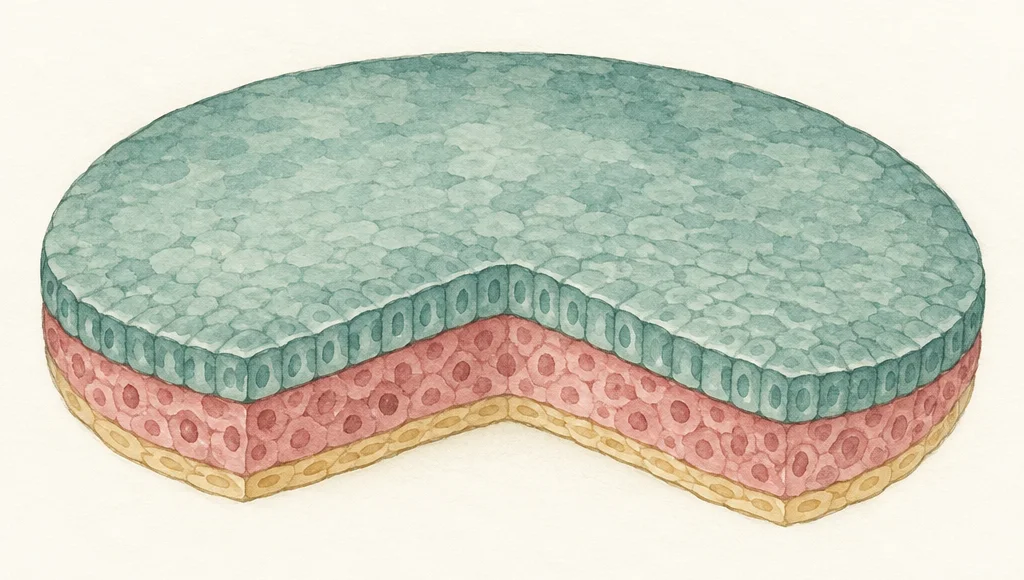
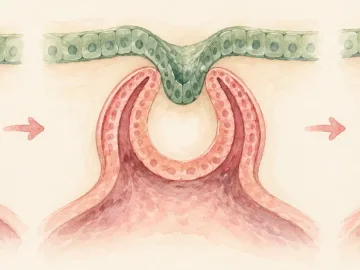
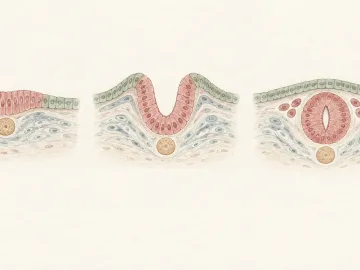
How three thin layers of cells become every organ in the body, why timing matters so much, and what you can do to protect the weeks when organs form.
- Module 13: Muscles, bones and limbs Not started
-
Module 13 · 3 lessons · 9 min
Muscles, bones and limbs
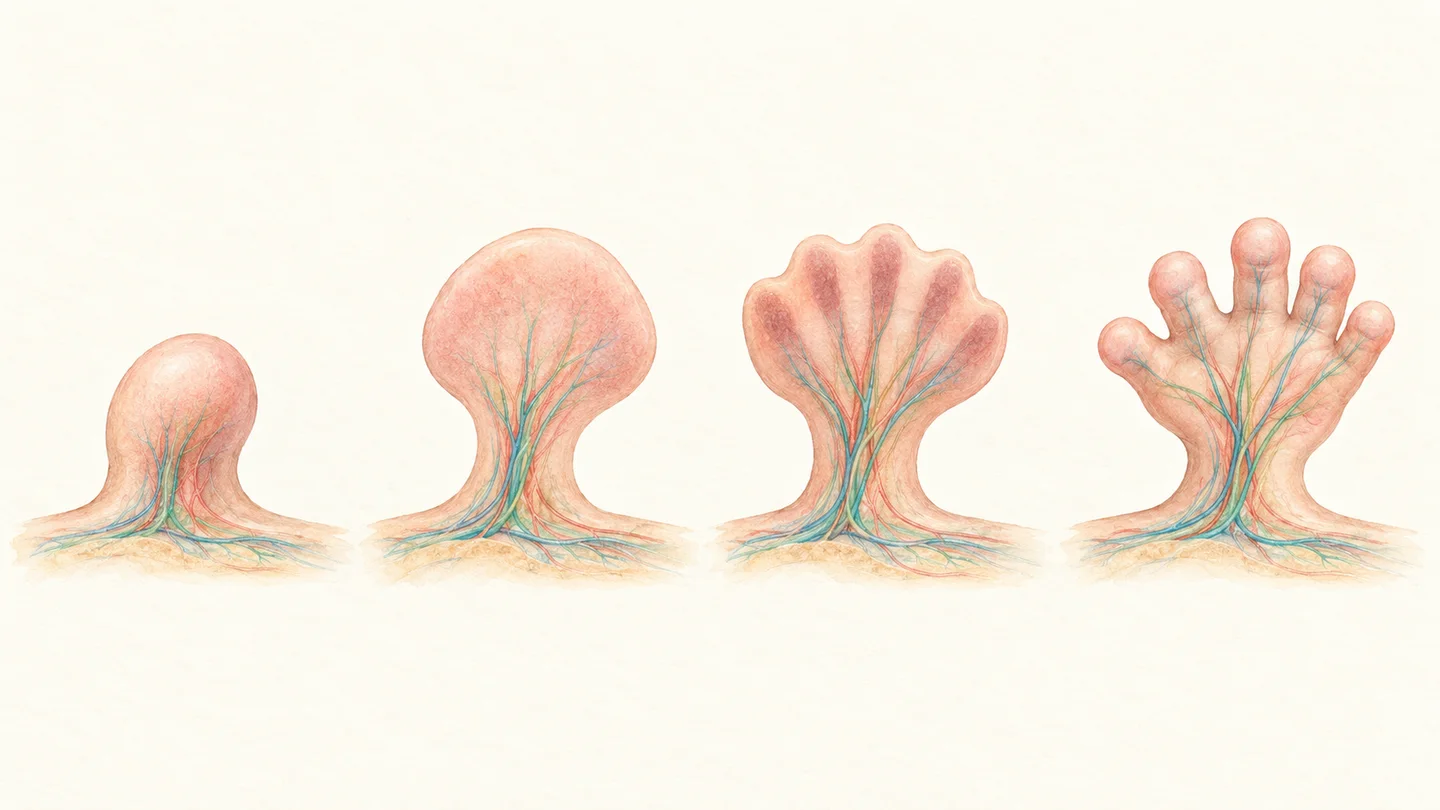
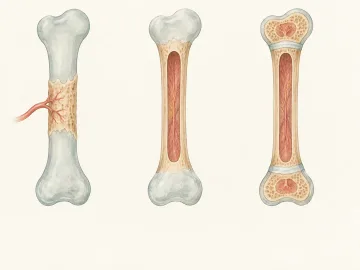
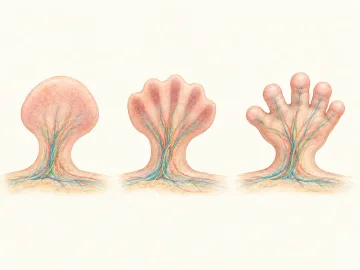
How blocks of tissue along the embryo's back become the spine and muscles, how cartilage turns into bone, and how arms, legs, fingers and toes take shape.
- Module 14: The heart and circulation Not started
-
Module 14 · 4 lessons · 14 min
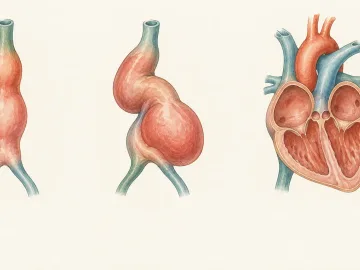
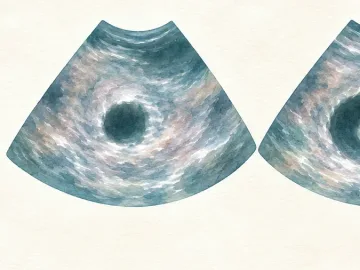
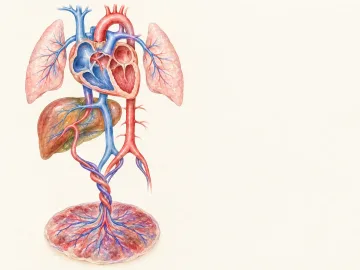
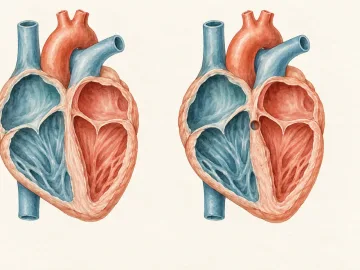
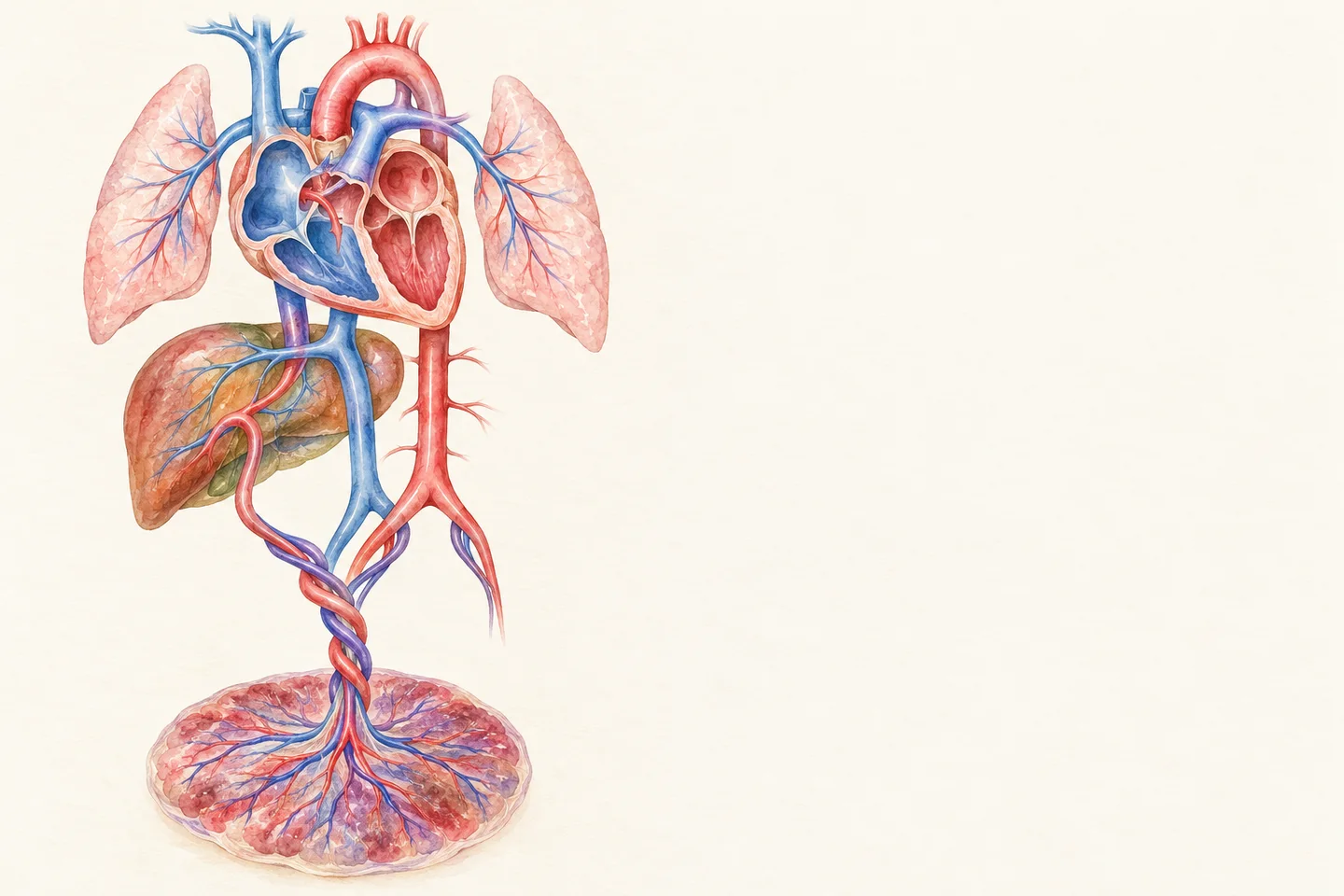
The heart and circulation
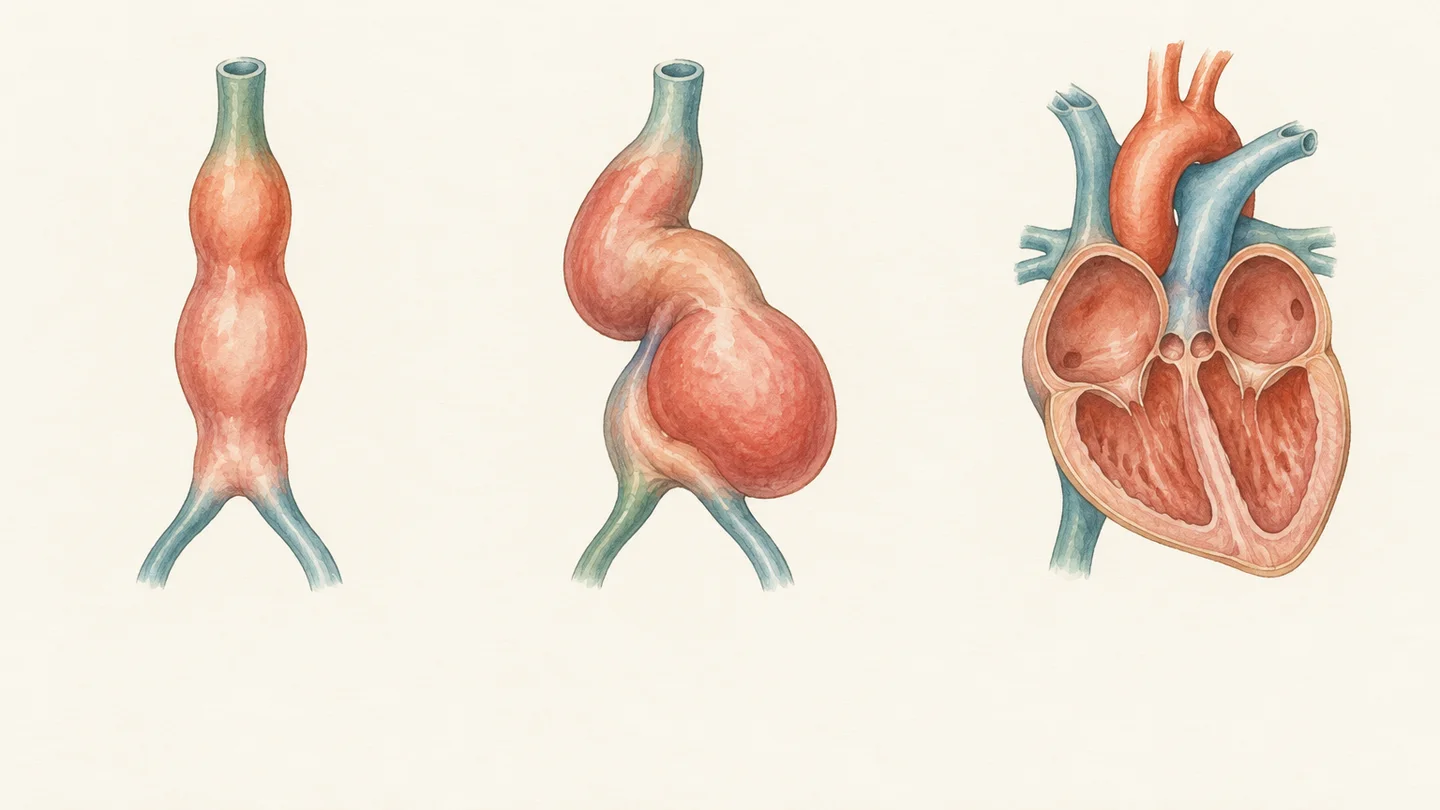
How a simple beating tube becomes a four-chambered heart, when the heartbeat starts and what a scan shows, and how the circulation changes with a baby's first breath.
- Module 15: Blood, lymph and the immune system Not started
-
Module 15 · 3 lessons · 10 min
Blood, lymph and the immune system
Where a baby's blood is made before birth, why fetal haemoglobin grips oxygen so well, and how the thymus and the mother's antibodies prepare a newborn for the world.
- Module 16: The lungs Not started
-
Module 16 · 4 lessons · 16 min
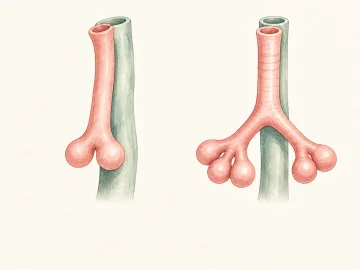
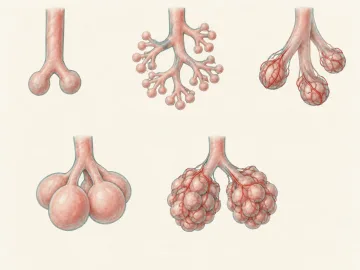
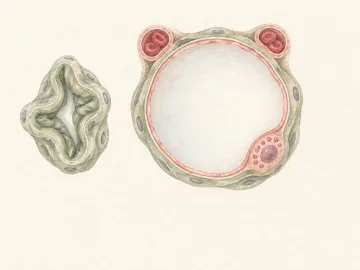
The lungs
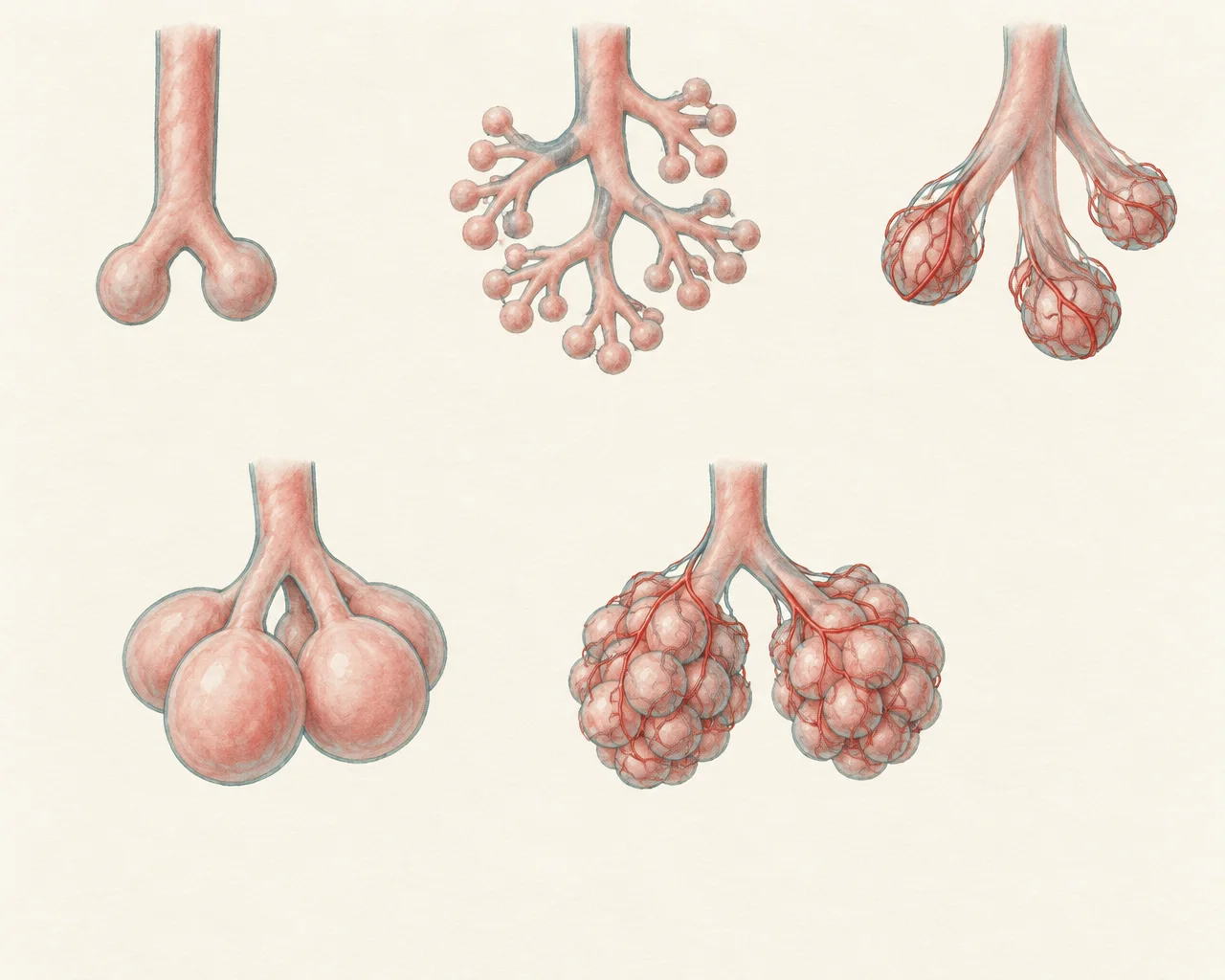
How a small pouch on the gut tube grows into two lungs, why the lungs are among the last organs to be ready, and what changes with the first breath.
- Module 17: The face, gut and digestive organs Not started
-
Module 17 · 6 lessons · 24 min
The face, gut and digestive organs
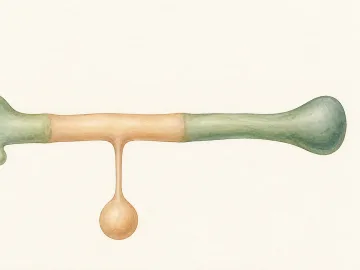
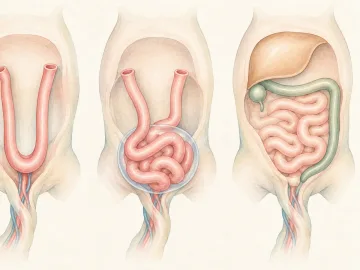
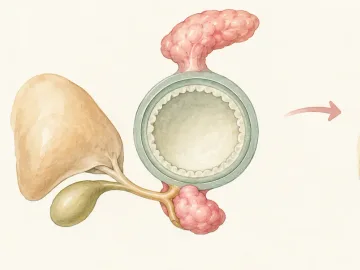
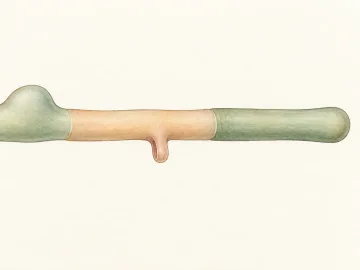
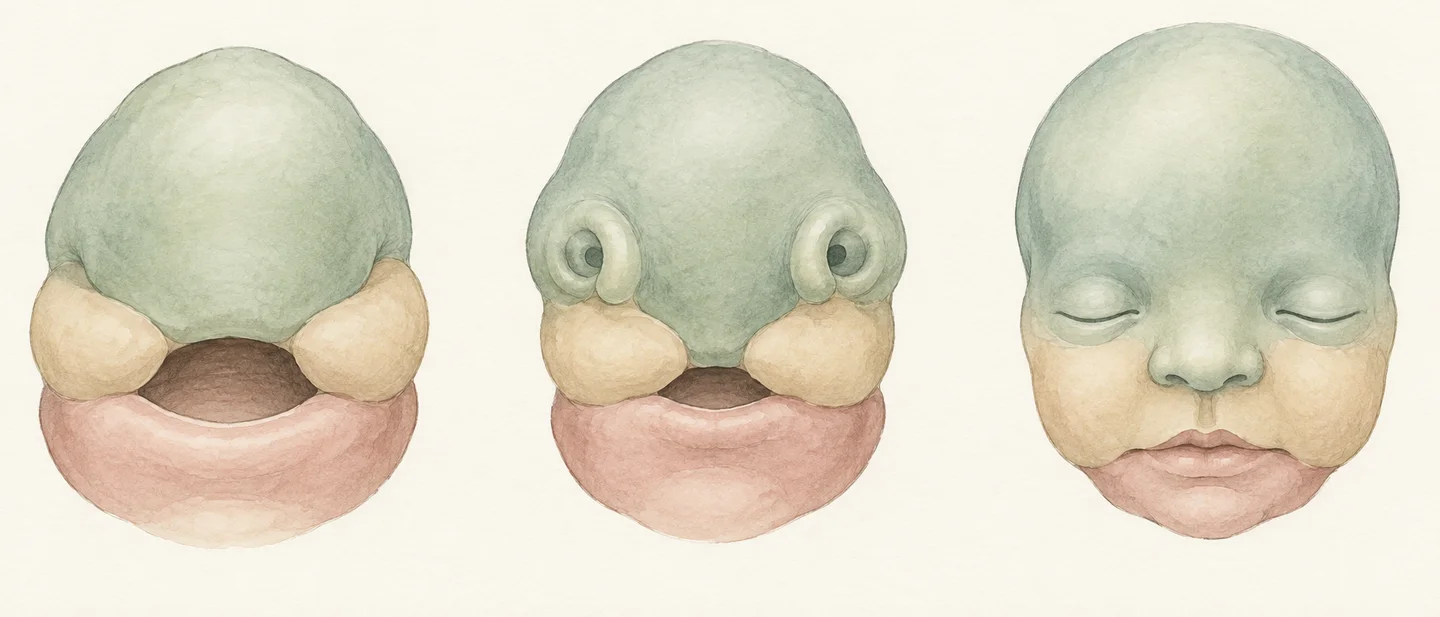
How a few simple swellings build the face, mouth and neck, and how one tube becomes the oesophagus, stomach, bowel, liver and pancreas, including the weeks when part of the bowel grows inside the umbilical cord.
- 17.1One tube, three parts4 min · Read ✓
- 17.2The stomach turns and the bowel takes a trip4 min · Read ✓
- 17.3The liver and the pancreas4 min · Read ✓
- 17.4When the gut forms differently4 min · Read ✓
- 17.5The pharyngeal arches and the face4 min · Read ✓
- 17.6The mouth, palate, teeth and neck glands4 min · Read ✓
- ?Module quiz6 questions
- Module 18: The kidneys and bladder Not started
-
Module 18 · 4 lessons · 15 min
The kidneys and bladder
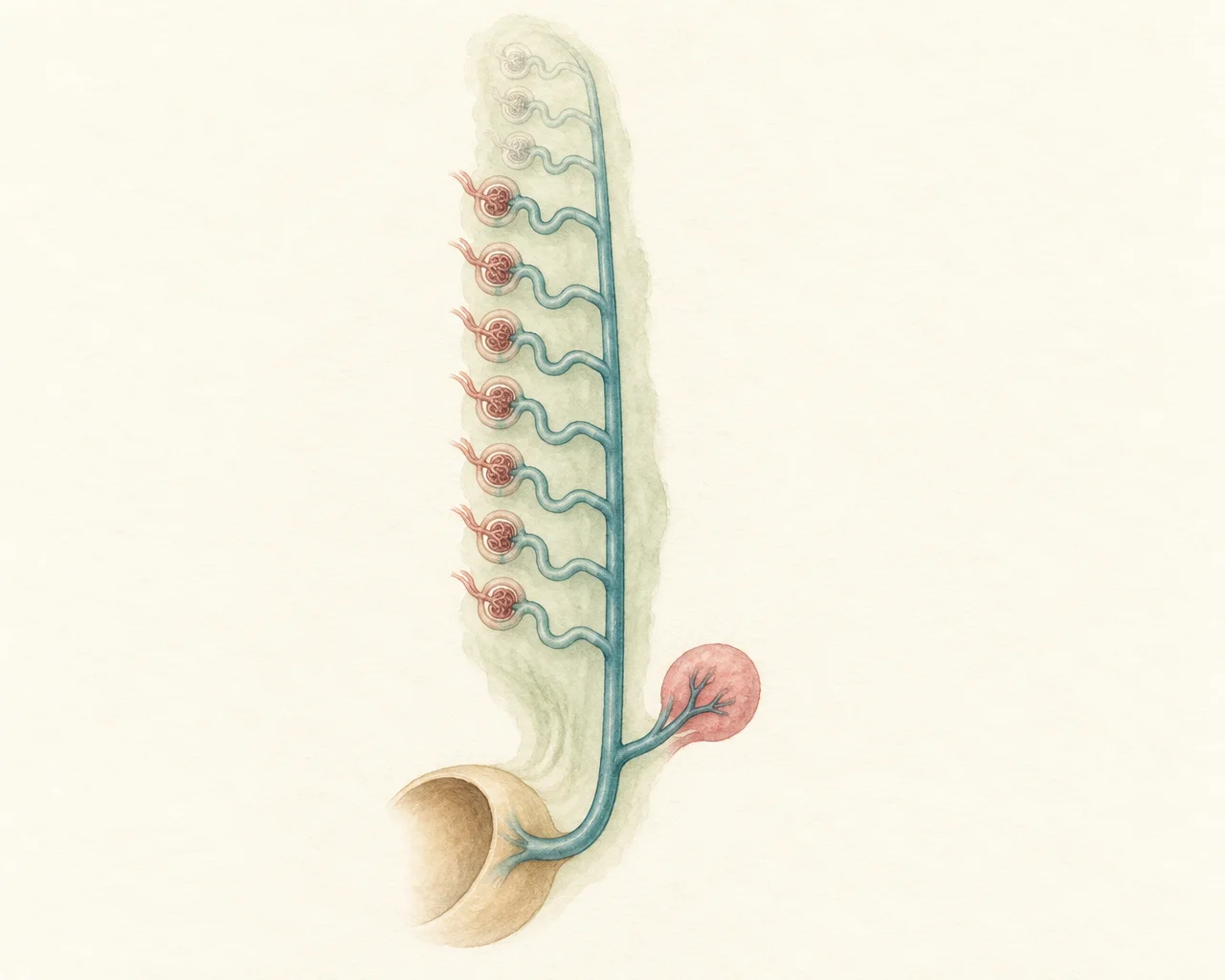
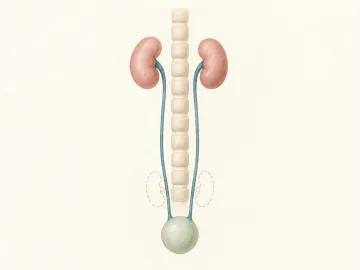
How the embryo builds three kidneys to keep one, why the baby's urine matters so much for the amniotic fluid and the lungs, and how the kidneys are linked to the reproductive organs.
- Module 19: The reproductive organs Not started
-
Module 19 · 4 lessons · 16 min
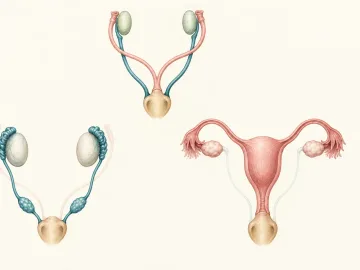
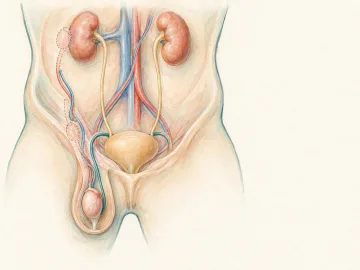
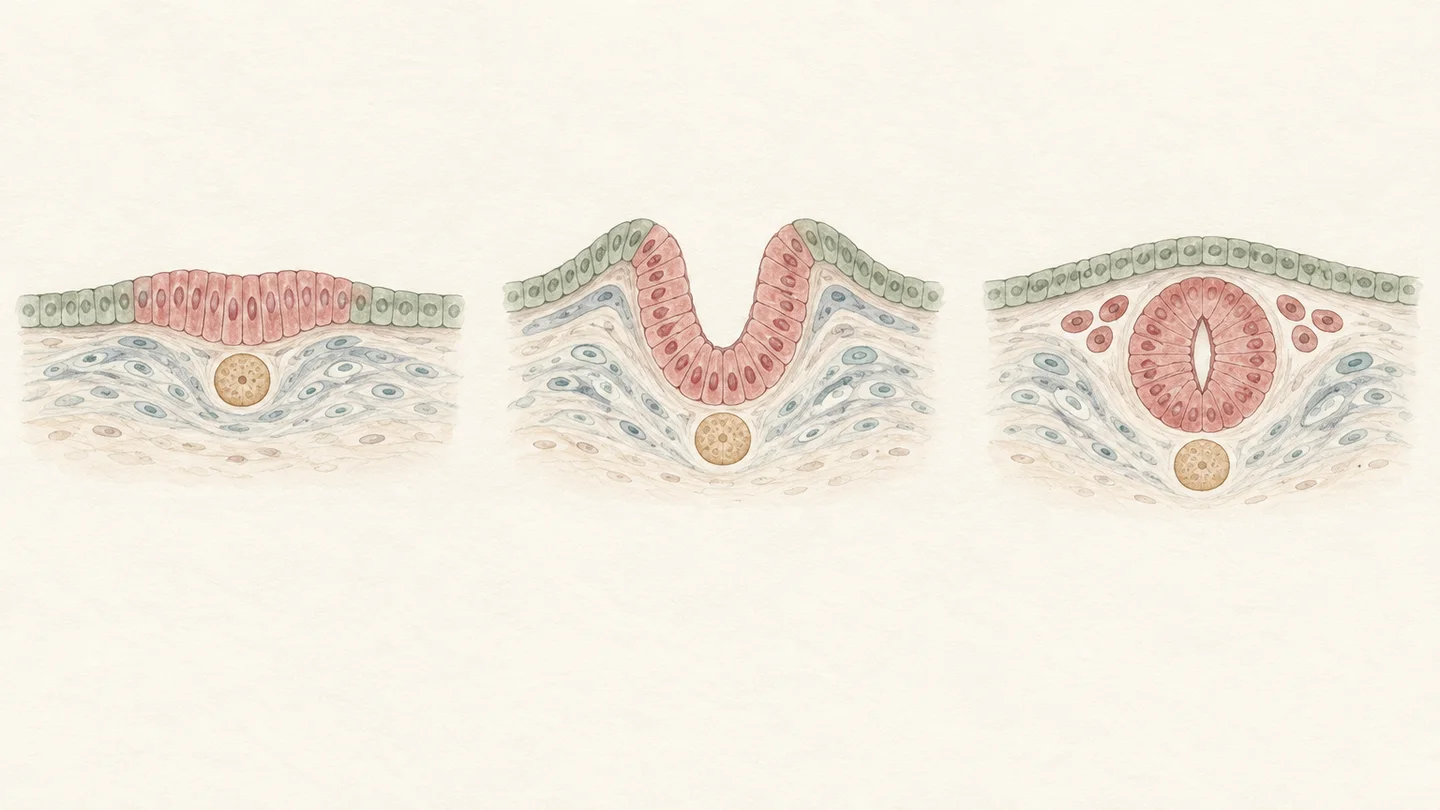
The reproductive organs
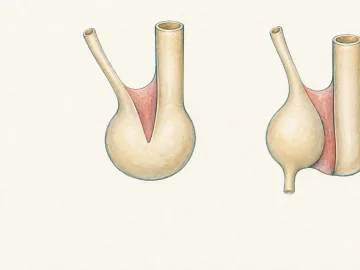
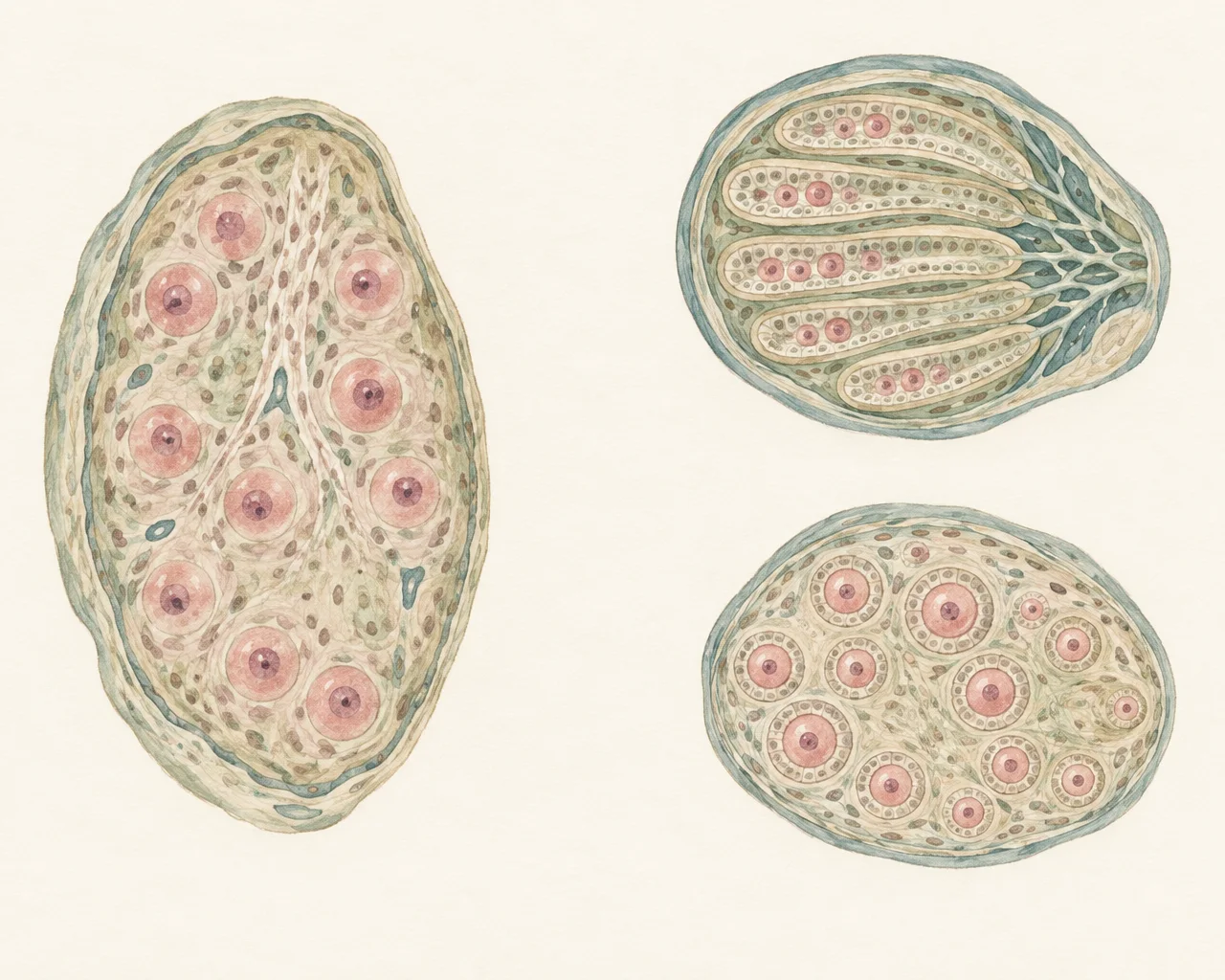
How the same starting tissue becomes testes or ovaries, how two sets of tubes become two different tracts, and why a woman's egg supply is set before she is born.
- Module 20: The brain and nervous system Not started
-
Module 20 · 4 lessons · 14 min
The brain and nervous system
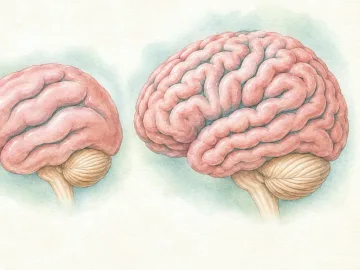
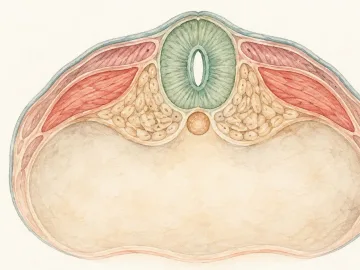
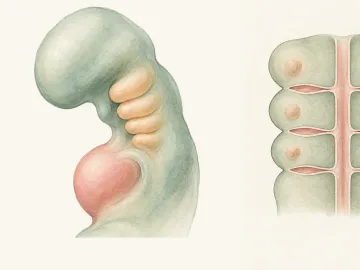
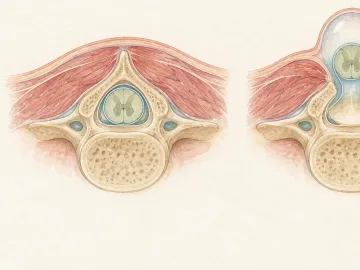
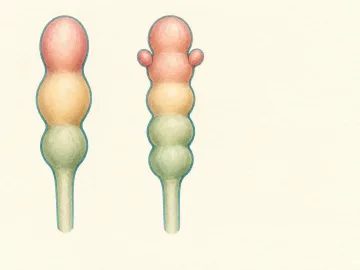
How a flat strip of cells becomes the brain and spinal cord in the first month, why folic acid before pregnancy matters, and why the brain keeps growing for years after birth.
The atlas
1 module · 3 lessonsWeek by week, at a glance: size, shape and milestones.
- Module 21: The atlas, week by week Not started
-
Module 21 · 3 lessons · 11 min
The atlas, week by week
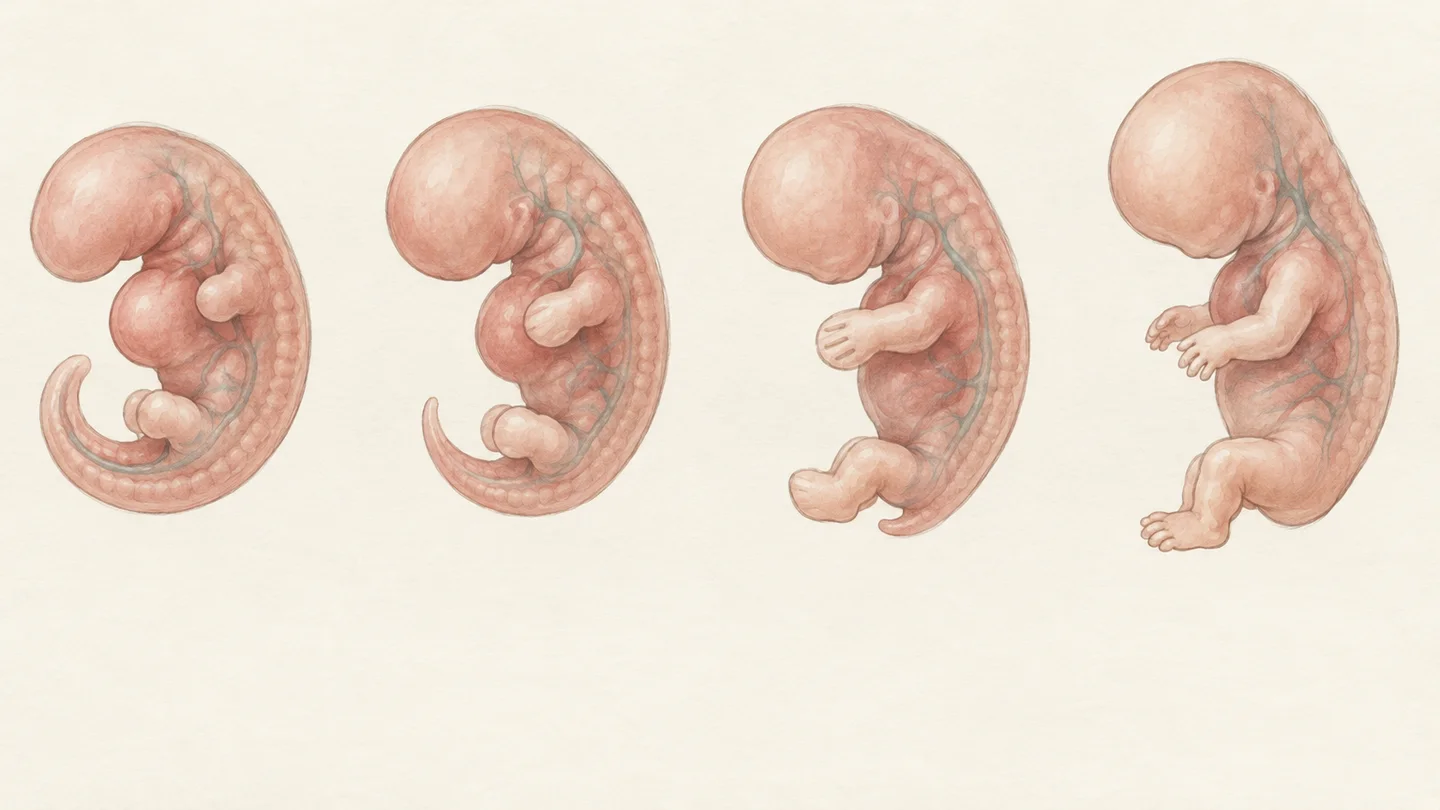
Fourteen snapshots from a single cell to full term, each with both week clocks, a size you can picture and the main changes.
Kara’s lab
4 modules · 15 lessonsInside the IVF laboratory, your embryo results, and what you can do.
- Module 22: Inside the IVF lab Not started
-
Module 22 · 4 lessons · 18 min
Inside the IVF lab
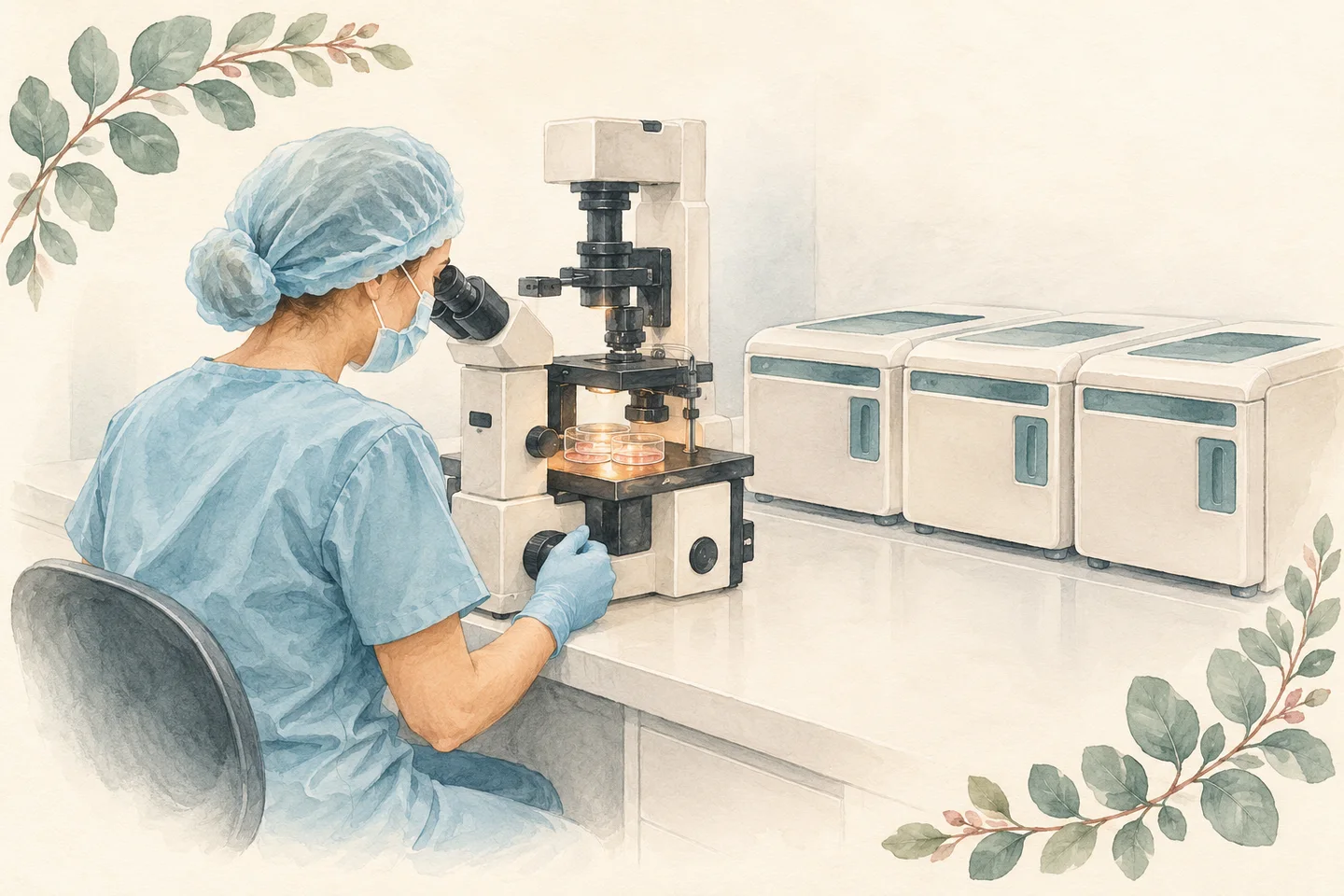
Step through the door of the embryology laboratory: how your eggs are found and checked, how they are fertilised, how embryos grow and are frozen, and what happens on transfer day.
- Module 23: Reading your embryo results Not started
-
Module 23 · 5 lessons · 20 min
Reading your embryo results
Learn to read your lab report like an embryologist: what each word means, why numbers fall at every step, what embryo grades say about your chances, and what to ask.
- Module 24: Looking after egg and sperm quality Not started
-
Module 24 · 4 lessons · 18 min
Looking after egg and sperm quality
What you can do in the months before conception or IVF, what the evidence supports, how an embryologist sees supplements, and the parts of fertility that are nobody's fault.
- Module 25: What you now know Not started
-
Module 25 · 2 lessons · 8 min
What you now know
The whole story in one page, the final assessment, and where to go next.



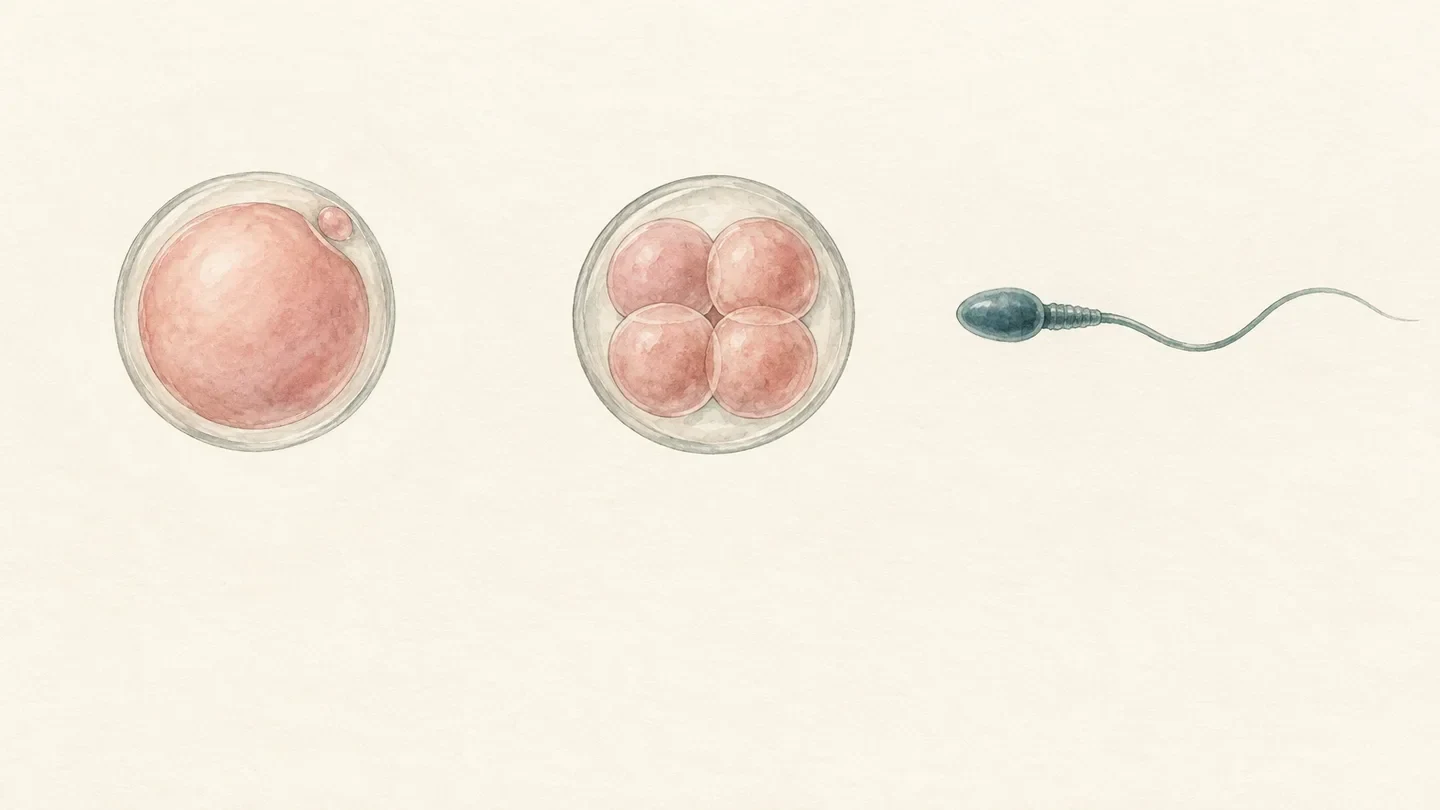


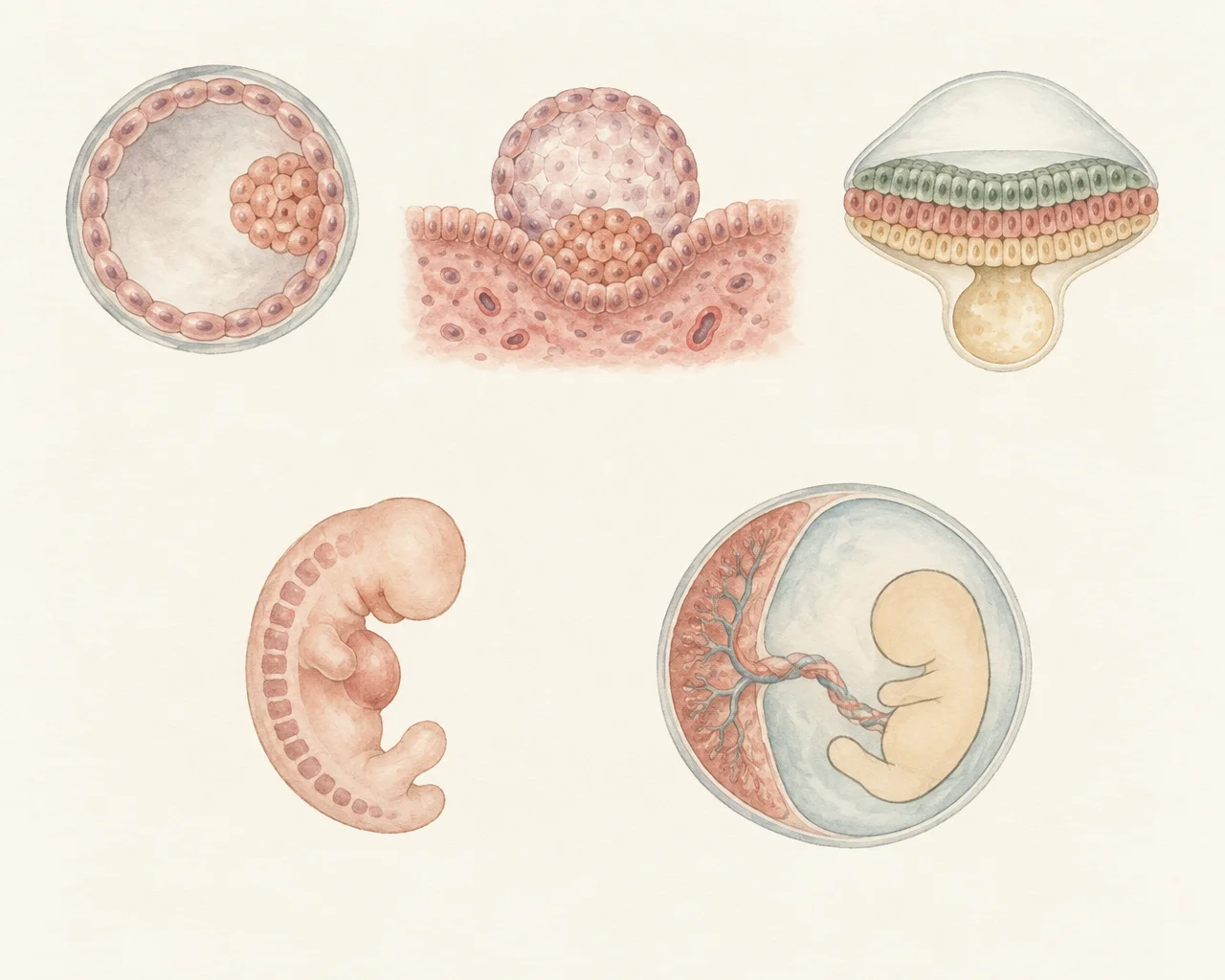
When you have worked through the modules, take the final assessment. Score 80% or more and you can print your certificate of completion.